

OpenAI reveals more details about its agreement with the Pentagon
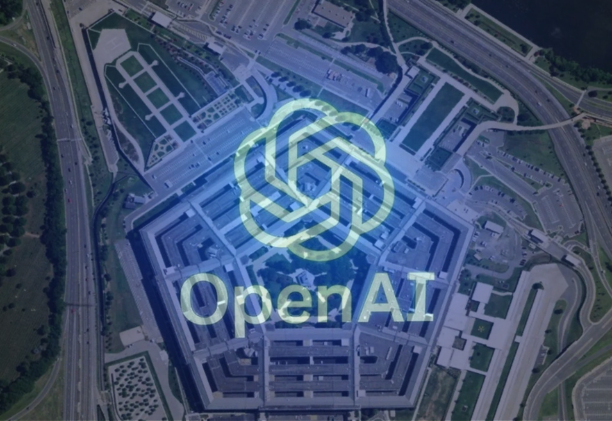
OpenAI CEO Sam Altman acknowledged that the company’s new deal with the U.S. Department of Defense was “definitely rushed” and admitted the optics were not ideal. The agreement came soon after Anthropic’s negotiations with the Pentagon collapsed, leading President Donald Trump to order federal agencies to stop using Anthropic’s technology and Defense Secretary Pete Hegseth to label it a supply-chain risk. OpenAI then secured its own deal to deploy AI models in classified environments, raising questions about why it succeeded where Anthropic did not—especially since both companies say they prohibit uses like autonomous weapons and mass domestic surveillance. In a blog post, OpenAI outlined three red lines: no mass domestic surveillance, no autonomous weapons systems, and no high-stakes automated decisions such as social credit systems. The company said it maintains safeguards through cloud-based deployment, human oversight, and contractual protections. Critics, however, argued that references to Executive Order 12333 could still allow surveillance practices. OpenAI responded that its deployment structure prevents direct integration into weapons or operational hardware. Altman said the goal was to “de-escalate” tensions between the government and AI companies. He admitted the risk of backlash but argued that if the deal stabilizes relations, it will ultimately prove worthwhile.