

Germany Enters the Hypersonic Race with Reusable Vehicle Program
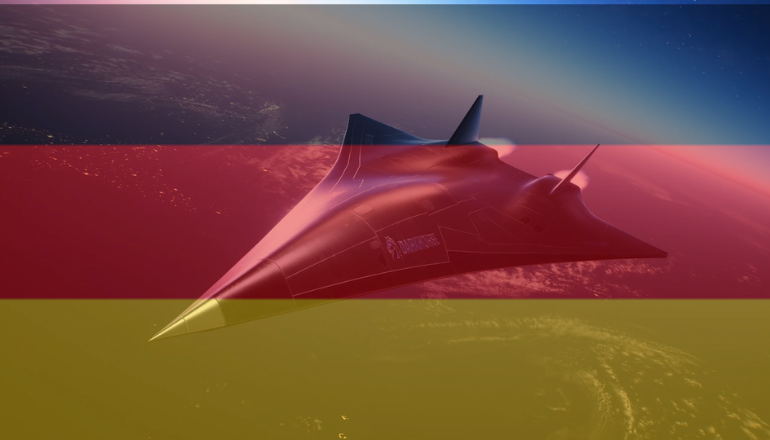
Germany has taken a major step into hypersonic technology by awarding aerospace startup Polaris Spaceplanes a Bundeswehr contract to develop and flight-test a reusable hypersonic vehicle, with a first flight targeted for 2027. The programme, managed by the Federal Office of Bundeswehr Equipment, Information Technology and In-Service Support (BAAINBw), aims to close key technology gaps and strengthen Germany’s industrial base in advanced hypersonic systems. The vehicle, known as HYTEV (Hypersonic Test and Experimentation Vehicle), is designed primarily as a reusable hypersonic testbed for defence-related research, as well as scientific and institutional applications. In a secondary role, it could also function as a spaceplane capable of launching small satellites using an expendable upper stage. Polaris states that no comparable contract for a reusable hypersonic system of this type has previously been awarded in Europe. HYTEV will have dimensions and a maximum take-off mass comparable to a fighter aircraft and will use a two-stage, horizontally launched configuration. The main stage will combine turbofan engines for take-off and landing with an in-house aerospike rocket engine to reach hypersonic speeds, while the rocket-powered upper stage will handle orbital insertion or specific test profiles. After its mission, the vehicle is expected to be recovered, most likely via a controlled gliding return. The contract builds on earlier Bundeswehr-backed work, including the successful MIRA II demonstrator, and reflects the armed forces’ role as an anchor customer for future hypersonic and spaceplane concepts. If the 2027 timeline is met, Germany would join a small group of nations developing advanced reusable hypersonic platforms.