

Bioenergy key to Europe’s energy security
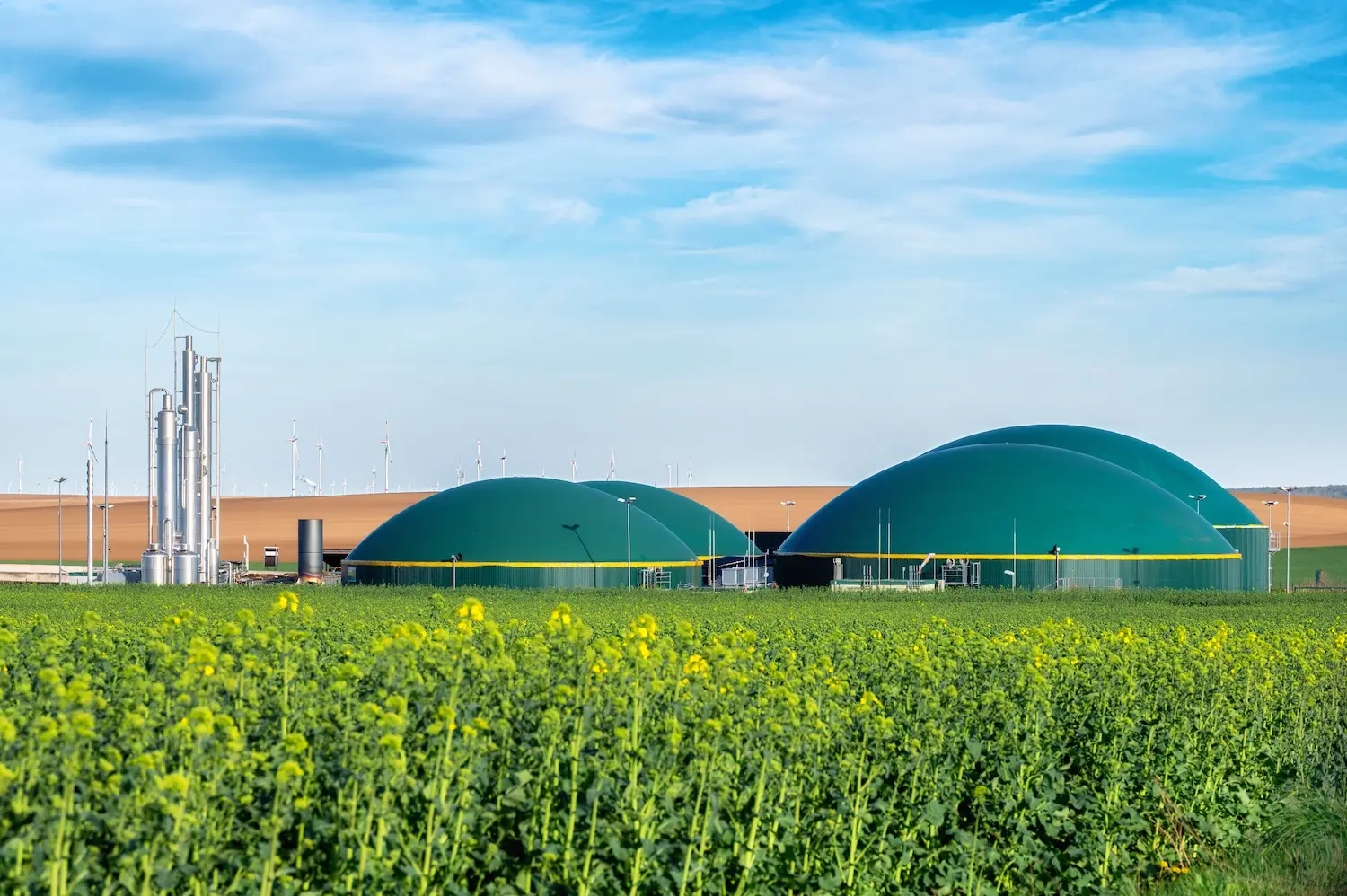
A new report from Bioenergy Europe highlights the essential role of bioenergy in Europe’s energy security and climate goals. The Landscape Report, published on 21 January, notes that bioenergy remains the EU’s largest renewable energy source, accounting for 51% of the renewable energy mix in 2023 and supplying roughly half of the bloc’s total renewable energy. Jean-Marc Jossart, secretary general of Bioenergy Europe, emphasized that achieving net-zero emissions is not only a climate imperative but also key to Europe’s energy independence, and scaling up sustainable, local energy resources is crucial for a resilient system. Heating is one of Europe’s most fossil-dependent sectors, with fossil fuels covering 73% of demand and producing around 1.5 billion tonnes of CO₂ annually, while biomass supplied about 81% of the renewable heating contribution. A major advantage of biomass is its low import reliance—just 5% dependency—which reduces exposure to external shocks and accelerates the shift from imported fossil fuels. The report also stresses bioenergy’s role in industrial energy security, particularly in sectors where full electrification is not yet feasible, and calls for a technology-neutral approach combining all scalable renewables to support industrial competitiveness and emission reductions. Jossart concluded that mobilizing biomass and other renewables is a critical opportunity for Europe to achieve net-zero emissions by 2050 while enhancing energy independence.