

European biogas sector shows modest growth amid calls for policy clarity
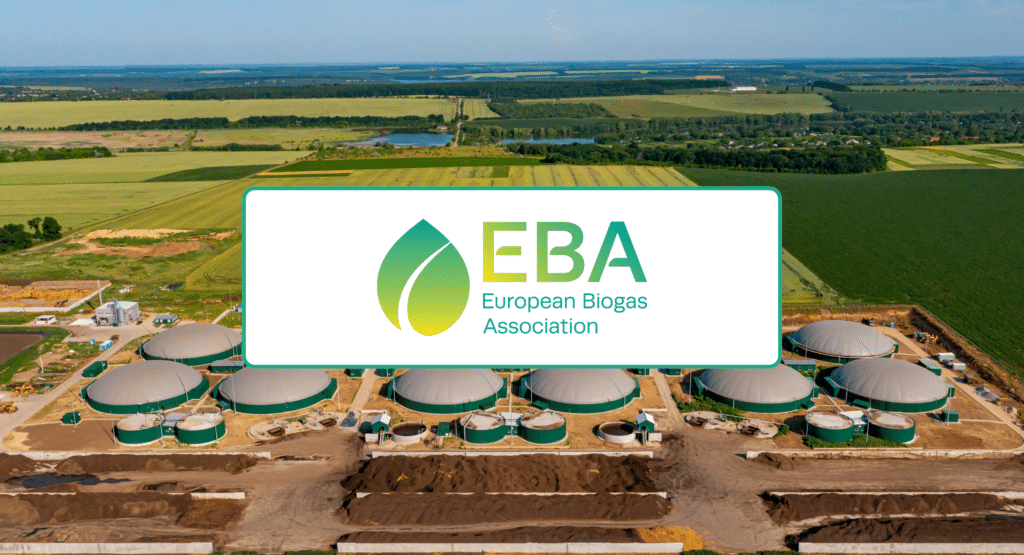
The European Biogas Association (EBA) has released its 15th Statistical Report, showing that Europe’s biogas and biomethane sectors continue to grow, but at a slower pace due to regulatory uncertainty. The report stresses that biogases are crucial for Europe’s energy independence, as the EU still relies on imports for 273 bcm of its 332 bcm gas consumption. Meanwhile, dispatchable power capacity in the EU has fallen from 424 GW in 2012 to 380 GW in 2023, increasing the need for flexible, renewable gas solutions. Biogas and biomethane production reached 22 bcm in 2024, up from 21.7 bcm in 2023, with EU-27 countries accounting for 19 bcm. Production now equals the combined inland gas demand of Belgium, Denmark, and Ireland—about 6% of EU natural gas consumption. Biomethane remains the fastest-growing segment at 5.2 bcm in 2024, supported by an installed capacity of 7 bcm/year and 1,620 biomethane plants across Europe—111 more than the previous year. The number of producing countries has risen to 25. The sector has attracted €28.4 billion in private investment ahead of 2030. Plants are becoming larger and increasingly rely on sustainable feedstocks such as agricultural residues, municipal organic waste, sewage sludge, and industrial by-products. Europe produced 25 Mt of digestate in 2024, which already has the potential to replace 17% of EU nitrogen fertilizers; this could rise to over 65% by 2040 with continued sector growth. The EBA emphasizes that policy clarity and coordination between EU institutions and national governments are urgently needed. A proposed Biogas Tripartite Agreement is seen as a key opportunity to deliver coherent, predictable policies that could restore growth momentum and accelerate demand for renewable gases. Short warning for European manufacturers • Policy Uncertainty – Inconsistent EU regulations. • Growth Risk – Slower sector expansion. • Investment Impact – Potential reduced returns. • Market Opportunity – Limited demand growth.