

Europe’s PET industry fights for survival
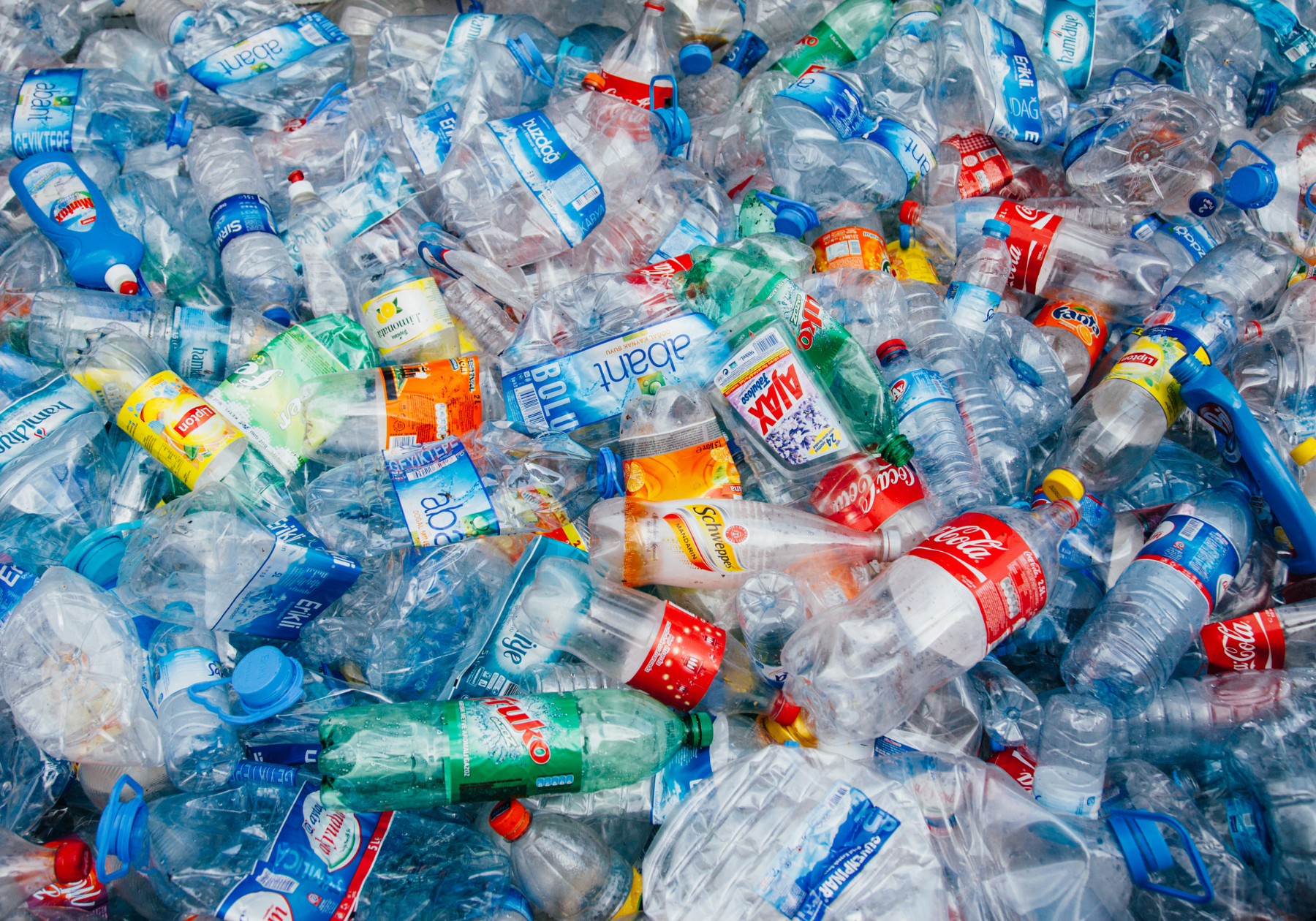
Europe’s PET (polyethylene terephthalate) industry is facing severe structural pressure at a time when EU policymakers are tightening sustainability rules through higher minimum recycled-content targets and an accelerated circular-economy agenda under the Green Deal. Despite these ambitions, both producers of virgin PET and high-quality PET are struggling to remain profitable. Antonello Ciotti, president of Petcore Europe and one of Europe’s most influential PET-sector leaders, warns that the industry is now “in a fight for survival.” Ciotti, who also leads Italy’s packaging consortium Corepla and chairs PET Europe, argues that Europe is losing its industrial autonomy in PET production and recycling because the regulatory framework is not matched by adequate trade and enforcement measures. Key weaknesses include: • Cheap, under-regulated imports of PET and PET from outside the EU, often with questionable quality or unverifiable recycled content. • Lack of penalties for EU companies that do not meet recycled-content rules, making compliance optional in practice. • Insufficient border inspections and certification check for imported recyclize • Unbalanced competition, where European producers operate under strict environmental and quality standards while foreign suppliers face little scrutiny. As a result, European PET and PET facilities are closing, operating below capacity, or shifting production outside the EU. Ciotti stresses that without urgent intervention—trade safeguards, stricter enforcement, and a realistic regulatory pathway—Europe risks losing its ability to sustain a functioning circular economy for PET packaging. This undermines recycling targets, supply-chain resilience, and long-term investment in green technologies. Short Criteriums — Impact on German Manufacturers 1. Less stable PET supply → higher risk of shortages. 2. Greater price volatility for PET/PET → unpredictable input costs. 3. More dependence on imports → reduced supply-chain security. 4. Higher compliance pressure → stricter recycled-content requirements. 5. Risk of non-EU low-quality PET → performance and certification issues. 6. Potential regulatory tightening → increased documentation and audits. 7. Threat to local recyclers → fewer domestic partners and higher logistics costs. 8. Reduced EU industrial capacity → long-term strategic vulnerability. 9. Higher sustainability expectations → need for stronger traceability systems.