

The great AI power grab: Does the world have enough energy to feed AI data centers?
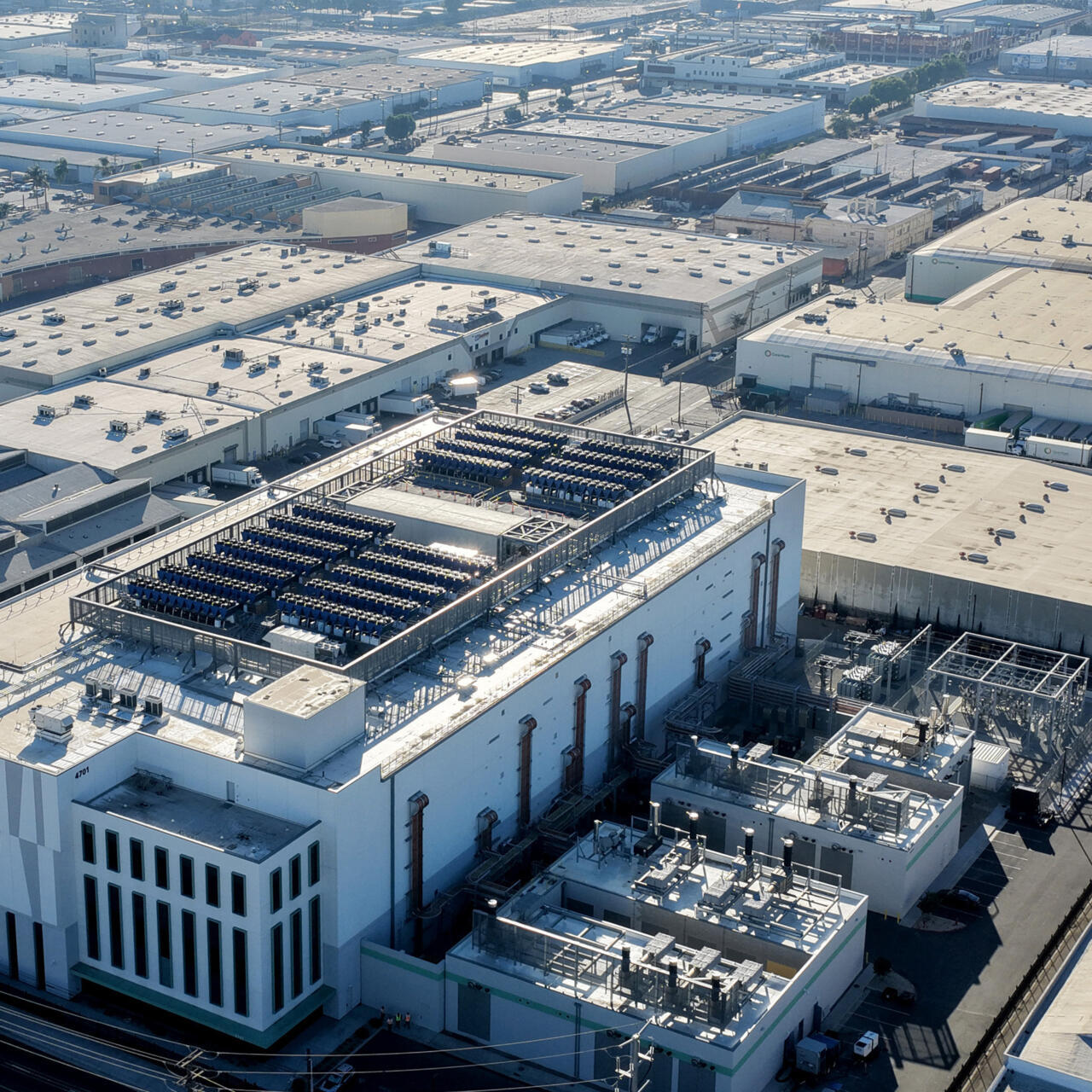
The rapid expansion of AI, particularly generative AI, is driving energy consumption in data centers to unprecedented levels. Modern hyperscale AI facilities can use as much electricity as a city of 100,000 people, and global AI compute demand is expected to grow 10x this decade, potentially consuming 2–4% of global electricity by 2030. Companies such as OpenAI , Nvidia, Microsoft, Google, and Amazon are building massive AI supercomputing hubs, some requiring gigawatts of power—equivalent to multiple nuclear reactors. To meet these needs, tech giants are exploring nuclear, geothermal, renewable, and hybrid energy solutions, effectively acting as quasi-energy utilities. The rise of AI data centers also creates local infrastructure challenges. Communities near these centers have experienced grid strain, water and noise issues, and priority contracts for data centers sometimes mean residents face less reliable electricity. Governments, particularly in the U.S., are now evaluating new regulations and power-generation projects to accommodate AI growth without compromising broader energy security. Impact on U.S. manufacturers: 1. Energy competition – Factories may face higher electricity costs or limited availability due to AI data-center demand. 2. Infrastructure investment – Manufacturers may need to invest in backup power, energy efficiency, or on-site generation. 3. Supply chain pressures – AI-driven data centers can strain regional grids, potentially affecting energy-dependent manufacturing processes. 4. Opportunity for AI integration – Availability of powerful AI infrastructure could accelerate adoption of AI in manufacturing, robotics, and logistics. 5. Strategic planning – Manufacturers must account for regional energy policies and potential restrictions on new industrial projects due to AI-related energy demands.