

Solar’s growth in US almost enough to offset rising energy use
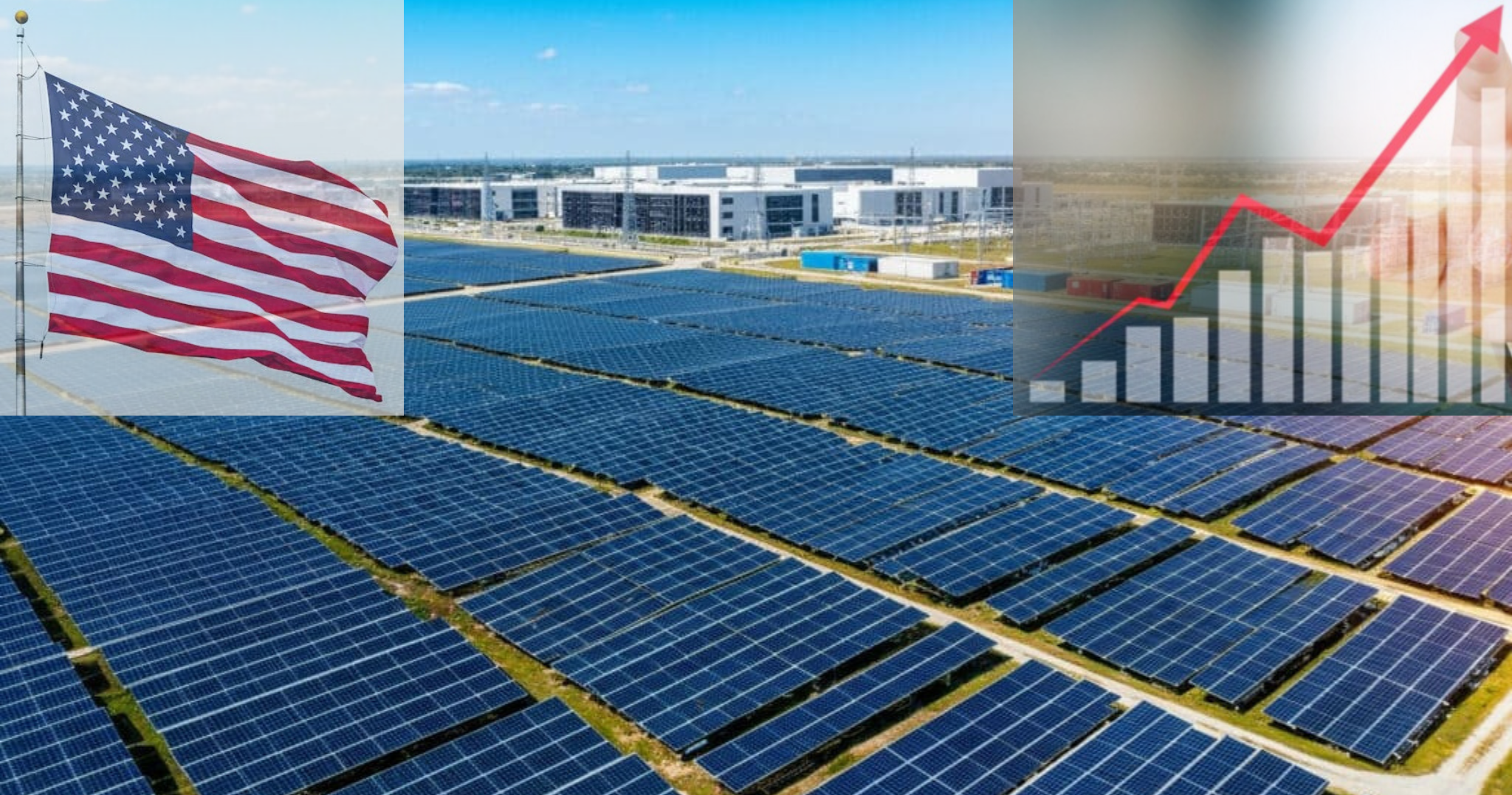
In early 2025, the US electricity system appeared to be heading toward a serious challenge. Rapid growth in data centers pushed electricity demand up by almost 5% compared to the previous year, raising fears that the grid might struggle to keep up. This sudden spike had an immediate downside: coal use increased for the first time in years, reversing part of its long decline as natural-gas generation dropped. But updated data from the Energy Information Administration, covering the first nine months of 2025, paints a far less alarming picture. Instead of continuing to climb at the earlier pace, overall electricity demand growth has slowed to 2.3%. Depending on weather and heating needs, that number may fall even further by the end of the year. This reduction has eased pressure on the grid and reduced the need for additional fossil-fuel generation. Meanwhile, solar power has maintained extremely strong momentum. In the first quarter alone, solar generation surged by 44%, covering only about a third of the early-year demand increase. But as demand growth softened, solar’s expansion remained impressive—still up 36% year-over-year through September. Thanks to this sustained growth, solar energy has now been able to offset more than 80% of the total increase in electricity consumption so far in 2025. While this rapid rise in solar power is partly replacing natural-gas generation, it also shows that the US is nearing a significant milestone: solar alone is almost growing fast enough to fully absorb increases in national electricity demand. If these trends continue, the grid may be far better positioned to handle the ongoing surge in data-center and AI-relaSted energy needs than early-year numbers suggested.