

Warning for U.S solar manufacturers
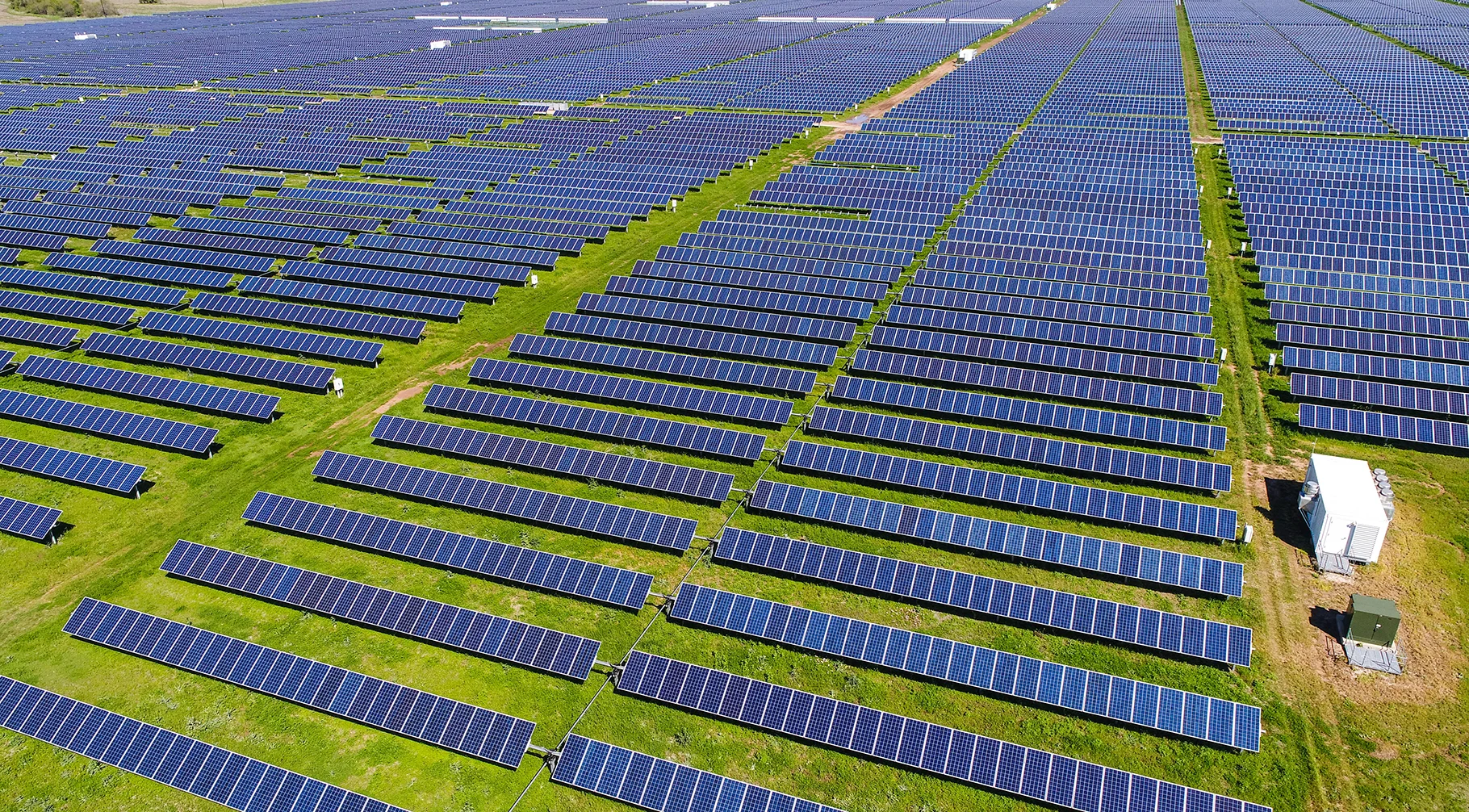
A new report from the SEMA Coalition says solar farm leases are giving U.S. farmers a stable, predictable income stream that helps keep family farms financially secure. With farming costs rising and revenues fluctuating, long-term solar lease payments — often $1,000+ per acre per year, according to Purdue data — can exceed profits from traditional crops. This stability helps prevent farmland sales driven by financial stress. Solar development also boosts rural tax revenues, providing reliable funding for schools, infrastructure, and public services. Despite concerns about losing farmland, solar uses only 0.14% of U.S. agricultural land, far less than what’s lost to residential and commercial development. Projects like Georgia’s Snipesville Solar Ranch show how agrivoltaics can combine solar power with farming practices such as sheep grazing, improving soil health and lowering maintenance costs. Overall, solar offers farmers a way to manage risk, diversify income, and strengthen rural communities.