

Pressure mounts on German PET recycling market in October
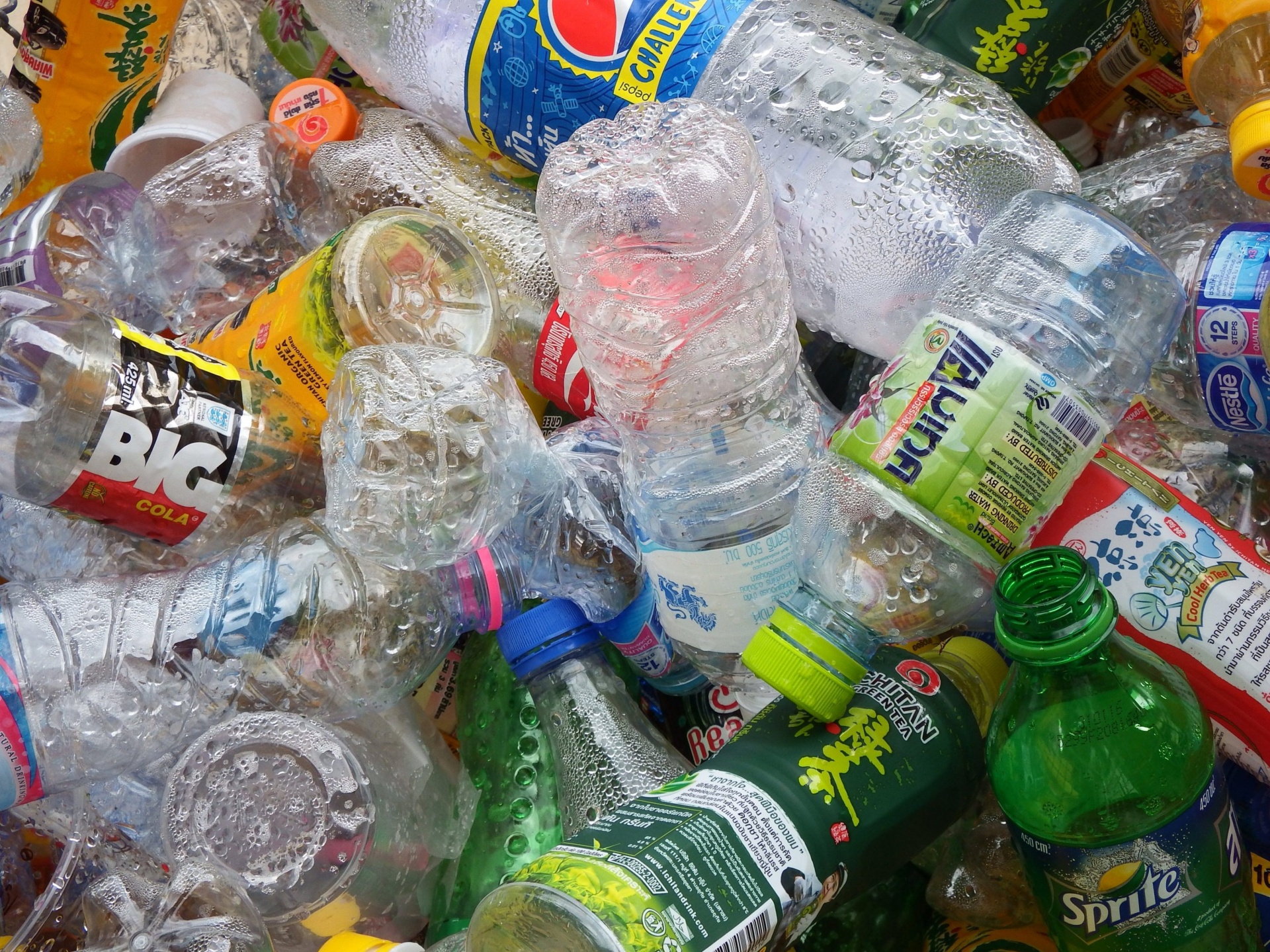
In October, Germany’s PET (polyethylene terephthalate) recycling market came under renewed pressure as prices dropped sharply—some recyclers even reported triple-digit markdowns, especially for PET flakes, which are a key intermediate product used to make recycled plastic packaging and bottles. Industry insiders noted that the market conditions strongly resembled those of 2023, when recyclers also faced falling prices, high competition, and weak demand. Demand for recycled PET (PET) remained sluggish as converters—the manufacturers that turn recycled material into new packaging or products—became increasingly cautious, delaying or reducing orders due to uncertain market signals and broader economic headwinds. The oversupply of PET and cheaper availability of virgin PET (produced directly from fossil fuels) also contributed to the downward price spiral, making recycling less economically attractive. Impact on German Manufacturers 1. Cost Dynamics & Profitability • Manufacturers that rely on recycled PET as input material may temporarily benefit from lower material costs due to the price decline. • However, recyclers and producers of PET face shrinking margins or even losses, as the market price may no longer cover production and processing costs. • In the long term, sustained low prices could discourage investment in recycling infrastructure and innovation, undermining Germany’s circular economy goals. 2. Supply Chain Stability • With recyclers struggling to stay profitable, there’s a risk of consolidation or shutdowns in the recycling sector, which could lead to supply shortages once demand recovers. • Manufacturers depending on a stable supply of recycled materials for sustainability targets (like beverage or packaging companies) might experience supply volatility or be forced to revert to virgin PET. 3. Environmental and Regulatory Pressure • Germany and the EU have strong regulations promoting recycled content in packaging (such as the EU Single-Use Plastics Directive). If recyclers are squeezed out, manufacturers may find it harder to meet mandated recycled-content targets. • This could increase compliance risks and potential penalties for companies that fail to meet sustainability obligations. 4. Market Competitiveness • Companies using high shares of recycled PET may face cost disadvantages if competitors switch to cheaper virgin PET. • In contrast, firms that maintain recycled content despite market pressures can strengthen their environmental reputation, appealing to sustainability-driven consumers and corporate buyers. 5. Long-Term Strategic Implications • The ongoing volatility in PET recycling underscores the need for policy support—for example, stronger incentives or minimum recycled-content requirements—to stabilize demand. • German manufacturers may have to diversify material sources, adopt design-for-recycling principles, and form closer partnerships with recyclers to ensure long-term resilience.