

Expert examines how far Texas has come in energy efficiency
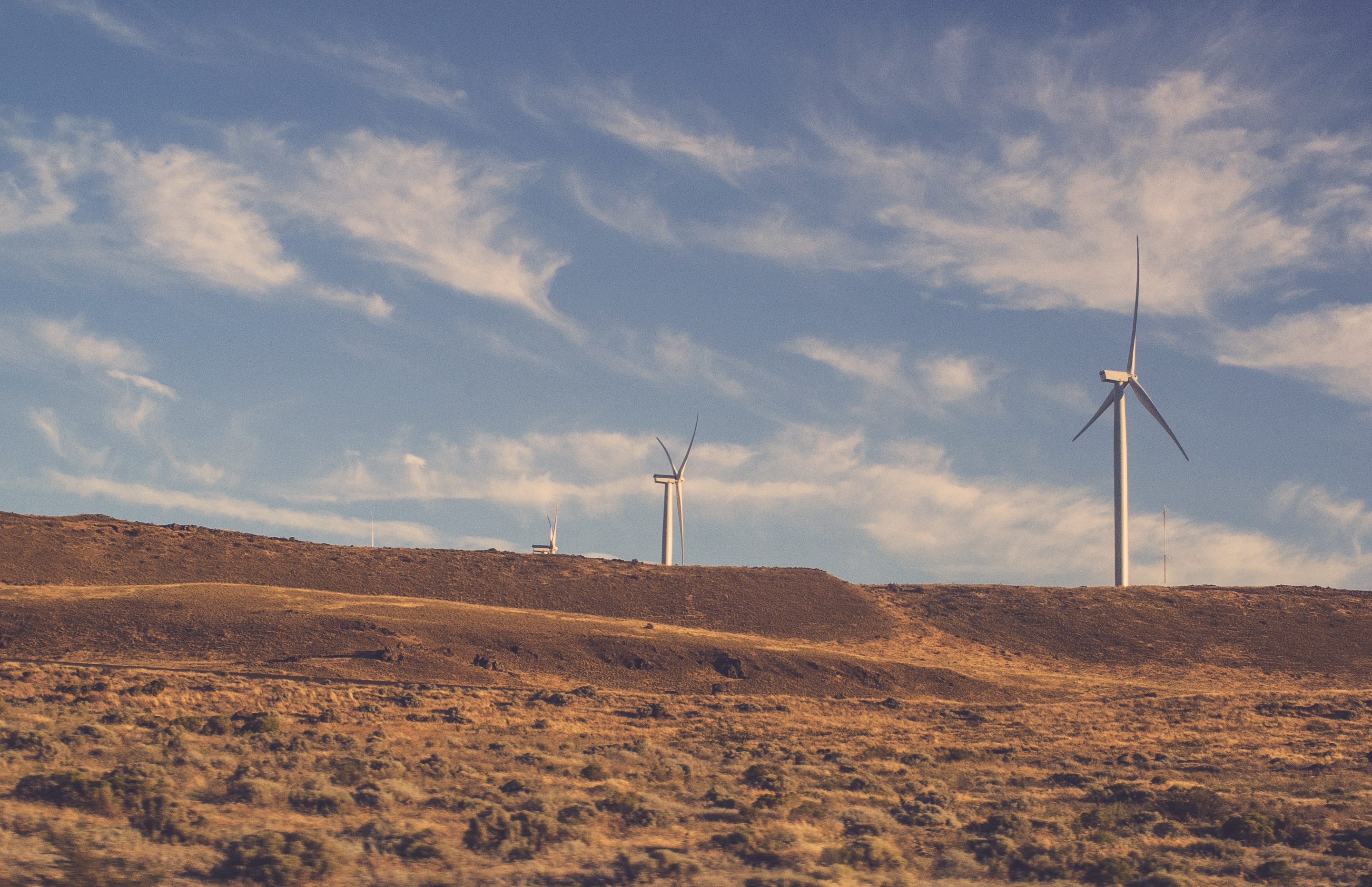
Texas leads the U.S. in energy production—supplying about a quarter of the nation’s energy and is also its largest energy consumer and net energy exporter. The state has made major progress in clean energy and grid resilience, ranking first in wind power (over 39,000 MW) and rapidly expanding solar capacity to 16 GW. Federal and state efforts, including the Renewable Portfolio Standard and new grid modernization measures, have driven this growth. In 2024–2025, Texas received more than $700 million in federal funding to expand energy-efficiency programs, loans, and rebates that help residents and businesses reduce consumption. However, with key federal tax incentives set to expire in 2025, experts emphasize the need for continued investment and planning to sustain Texas’s clean energy momentum and ensure grid reliability during extreme weather events. Impact on U.S Manufacturers 1. Increased Demand for Equipment: Expansion of Texas’s renewable energy and grid modernization projects boosts demand for turbines, solar panels, batteries, and related manufacturing equipment. 2. Supply Chain Opportunities: U.S. manufacturers of energy-efficiency materials (insulation, HVAC systems, windows) benefit from loan and rebate programs driving local upgrades. 3. Innovation Incentives: Federal funding and state programs encourage manufacturers to develop more advanced, efficient, and sustainable energy technologies. 4. Market Expansion: Growth in renewable energy and electrification creates new domestic markets for manufacturers of energy storage, electric appliances, and smart grid components. 5. Competitive Advantage: U.S. manufacturers gain leadership opportunities in clean energy and efficiency technologies, positioning themselves for future domestic and global demand