

The global race to slash emissions
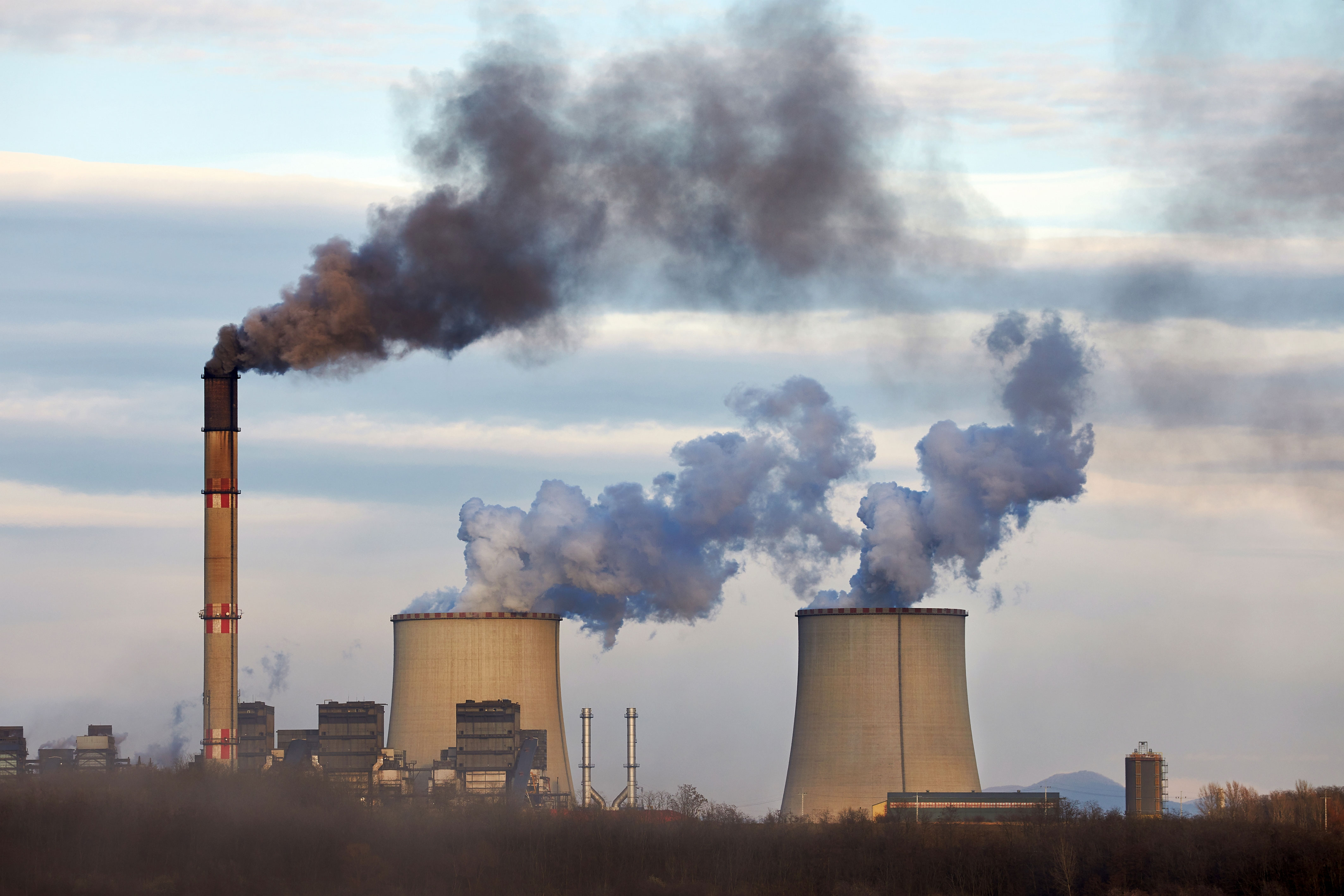
The world remains heavily dependent on fossil fuels despite growing renewable adoption. Norway, Brazil, and New Zealand lead in renewable energy use, while Middle Eastern nations and parts of Asia still rely almost entirely on fossil fuels. Heating consumes about half of all global energy, with renewables providing only 14% (expected to reach 18% by 2028). The transport sector, especially aviation, remains a major challenge for decarbonization due to limited alternatives to jet fuel. While renewable investments now surpass fossil fuels, deforestation continues to undermine ecosystem protection efforts. To meet Paris Agreement goals, coal use must drop 80% by 2030, and global emissions must fall 45% by then to reach net zero by 2050. Impact on Energy Manufacturers: United States - Strong incentives for clean tech via the Inflation Reduction Act will accelerate renewable and EV production. -Manufacturers must shift toward battery, hydrogen, and carbon capture technologies to stay competitive. Germany -Continued phase-out of coal and focus on green hydrogen will drive demand for renewable infrastructure and grid innovation. -Energy firms face pressure to balance industrial output with emission-reduction targets. France - Nuclear energy remains central, but renewables expansion (solar, wind) is accelerating. - Manufacturers will need to modernize supply chains and support hybrid systems combining nuclear and renewables.