

U.S. Department of Transportation Halts $679M in Offshore Wind Projects as Administration Refocuses on Traditional Energy
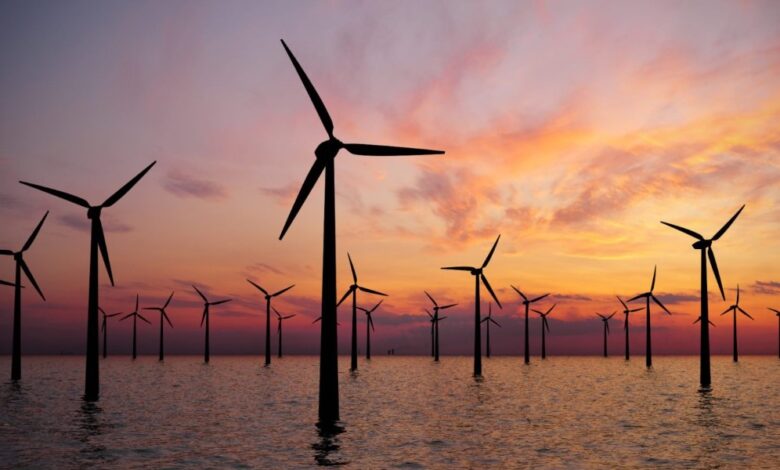
The U.S. Department of Transportation (DOT) has withdrawn $679 million in federal funding previously allocated to 12 offshore wind projects, signaling a significant shift in national infrastructure priorities under the Trump administration. The move affects several high-profile initiatives, including the Humboldt Bay offshore wind project, which alone accounted for $427 million in funding under the Nationally Significant Freight and Highway Projects (INFRA) program. In addition, the Maritime Administration (MARAD) pulled $177 million from six projects and terminated five more within its Port Infrastructure Development Program, eliminating another $75 million in funding. Transportation Secretary Sean P. Duffy said the decision reflects a broader realignment of federal resources toward more "practical and proven" infrastructure initiatives, with a renewed emphasis on maritime revitalization and traditional energy development. “Wasteful wind projects are using resources that could otherwise go toward revitalizing America’s maritime industry,” Duffy said. “We are prioritizing real infrastructure improvements over fantasy wind projects that cost much and offer little.” Strategic Shift Toward Maritime and Legacy Energy Sectors The cuts come amid the Trump administration’s stated commitment to rebuilding U.S. shipbuilding capacity and strengthening traditional energy supply chains, including oil, gas, and coal. DOT officials indicated that funding originally earmarked for offshore wind will be rechanneled into core infrastructure upgrades, such as port modernization, freight mobility, and maritime logistics. The Humboldt Bay project was seen as a flagship initiative for California's clean energy ambitions. Its cancellation represents a setback for state and federal collaboration on offshore wind and may raise concerns among renewable energy developers and climate policy advocates. However, administration officials argue that the decision is based on cost-effectiveness and deliverability, rather than politics. “Joe Biden and Pete Buttigieg bent over backwards to use transportation dollars for their Green New Scam agenda,” Duffy added. “This administration is focused on delivering tangible outcomes with real value for taxpayers.” Industry Impact and Political Backdrop While financial details on future reallocations were not released, analysts suggest the wind funding withdrawals mark a critical inflection point in U.S. energy and infrastructure strategy. Industry observers expect increased federal attention to commercial shipbuilding, port logistics, and energy transportation infrastructure, especially in key industrial regions along the Gulf Coast and East Coast. The administration's stance may have implications for ongoing offshore wind permitting, private sector investment confidence, and interagency cooperation on clean energy goals. With the 2026 midterm elections approaching, infrastructure policy is once again poised to become a central issue—especially as debates intensify over how best to modernize America's aging transportation networks while balancing environmental and economic objectives.