

Solar Energy Finds Its Path in Sustainable Transportation
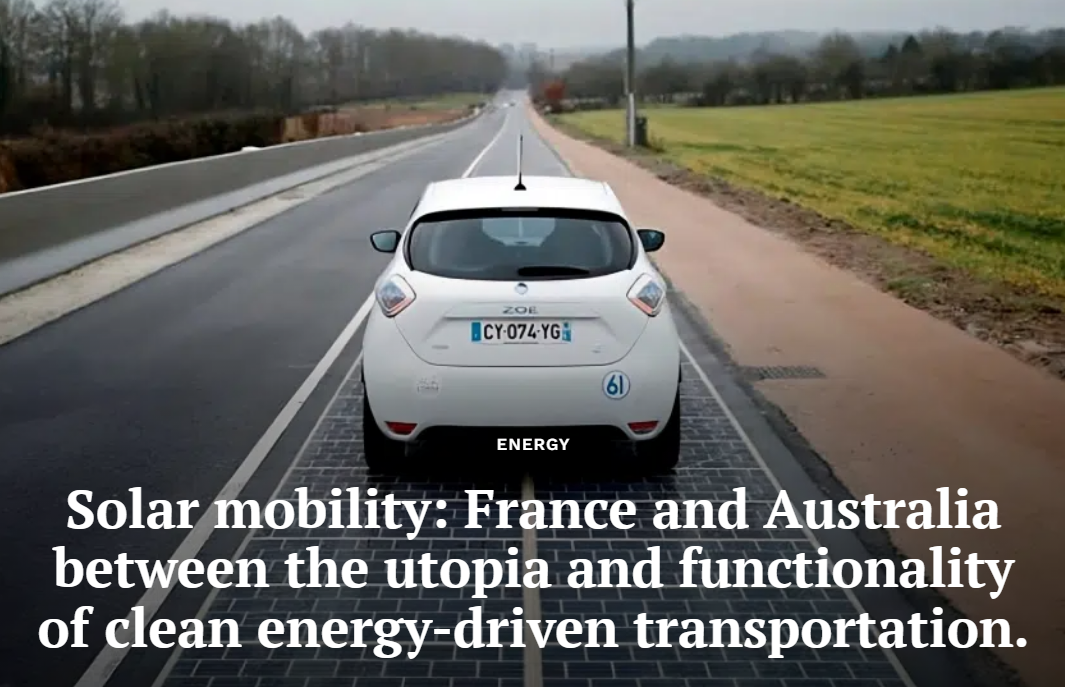
Solar energy is gradually proving its potential in the field of sustainable mobility. While technical and environmental challenges remain, innovative projects around the world are beginning to show both the boundaries and the promise of clean, sun-powered transportation. Between 2016 and 2017, two countries took bold yet very different steps. In France, an ambitious solar highway project aimed to integrate renewable energy directly into national infrastructure. Meanwhile, on the other side of the world, Australia introduced a much smaller but more functional initiative—a solar-powered train. In France, the concept was straightforward: line one kilometer of road with solar panels to generate electricity for public use. Initial results were encouraging, with the system operating as planned in its first year. However, it soon ran into trouble. The panels degraded quickly under the strain of weather, mud, heavy vehicles, and insufficient upkeep. Efficiency dropped, and parts of the road had to be dismantled. The large-scale vision gave way to smaller, more controlled solar installations. By contrast, the Australian project in Byron Bay approached solar mobility with a different mindset. A 1949 heritage train was retrofitted with solar panels on its roof and at its station, creating a modest but fully functional solar train with a three-kilometer route. The system’s total energy capacity is 36.5 kW, and thanks to low consumption and regenerative braking, over 75% of the generated power is returned to the local grid. The train runs reliably, remains affordable, and has been embraced by both tourists and residents. Its success lies in simplicity, scale, and context. Where France attempted to revolutionize national transportation, Australia built a sustainable solution tailored to a local need. The result is a replicable model of solar mobility. Solar-powered transport offers tangible environmental benefits. It reduces reliance on fossil fuels and eliminates emissions in one of the most polluting sectors. In systems like Byron Bay’s, energy surpluses can also be fed back into the grid, supporting broader clean energy goals. When paired with technologies like battery storage or regenerative braking, solar transport becomes more efficient and adaptable to various environments. Beyond emissions, solar mobility projects can support local economies by generating jobs, strengthening energy independence, and fostering innovation in green technologies. When carefully designed and appropriately scaled, they also contribute to the development of sustainable communities. The contrasting outcomes in France and Australia underline a key point: not all infrastructure is ready for large-scale transformation. Environmental conditions, usage patterns, and maintenance play a critical role in the performance of solar solutions. Still, these examples highlight that meaningful progress doesn’t always start with massive investments. Often, small, focused projects in the right context can offer the most powerful proof of concept. The transition to cleaner transportation will depend not just on ambition, but on precision, planning, and a clear understanding of what works—where, and why.