

Oxford's Breakthrough in Solar Cell Technology: Converting Everyday Objects into Solar Panels
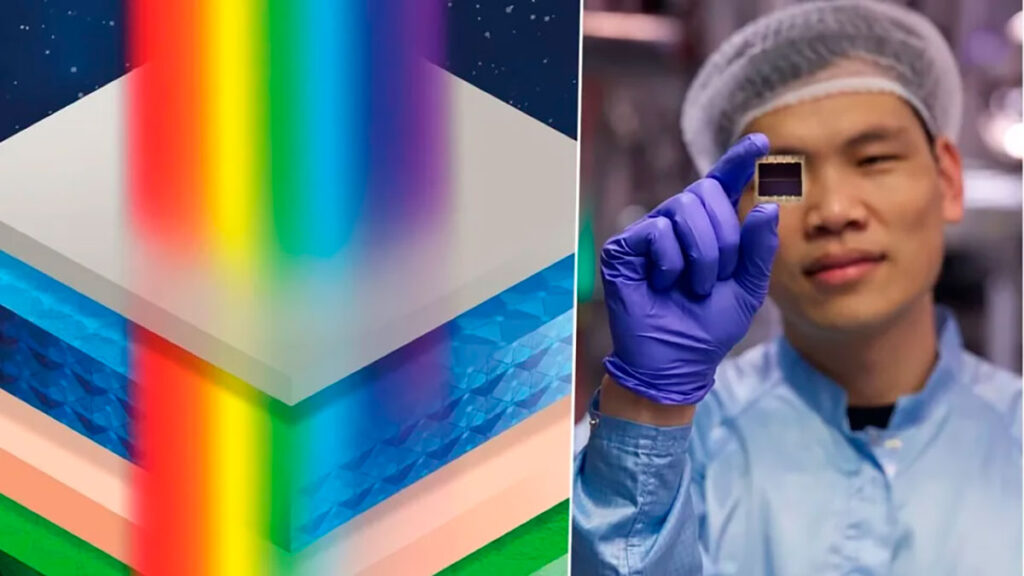
A groundbreaking advancement by researchers at the University of Oxford could dramatically reshape how we harness solar energy. The research team has successfully created a revolutionary photovoltaic cell made from perovskite, a synthetic material capable of turning almost any object into a solar panel, including windows, furniture, and electronic devices. Perovskite stands out due to its extraordinary light-capturing efficiency and remarkably thin structure, allowing seamless integration into everyday objects. The innovative layering process developed by Oxford scientists enables these cells to capture a broader spectrum of sunlight, achieving a remarkable certified energy efficiency rate of 27%. This efficiency level, validated by Japan’s National Institute of Advanced Industrial Science and Technology (AIST), matches that of top-tier silicon-based solar panels currently available. The versatility of perovskite technology means that buildings could be entirely coated in photovoltaic cells, significantly enhancing energy autonomy and potentially cutting long-term energy costs. Researchers emphasize that this technology represents a substantial step toward reducing global dependence on fossil fuels and transforming residential and commercial energy consumption. Oxford PV, a commercial spin-off of the university, has already initiated industrial-scale production in Germany, aiming to make these advanced solar cells widely accessible. Despite ongoing challenges such as material durability and production cost reduction, scientists, including researcher Shuaifeng Hu, express optimism about further enhancing the cells' efficiency. This groundbreaking innovation positions Oxford at the cutting edge of renewable energy technology, paving the way for an exciting future where virtually any surface could generate electricity.