

Germany Signals Softer Hydrogen Mandate for New Gas Plants Amid Supply Concerns
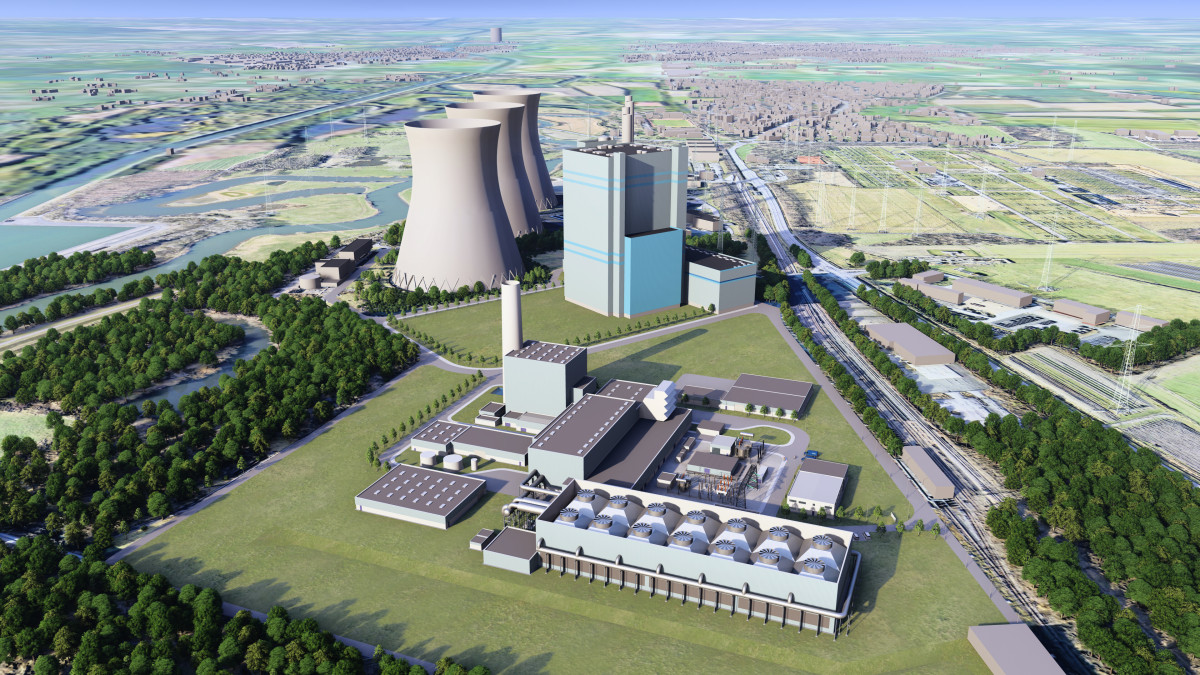
Germany’s new conservative-led coalition is signaling a softer stance on the hydrogen future of its planned gas-fired power plants. Economy and energy minister Katherina Reiche said that converting back‑up gas plants to run on hydrogen could make sense “at a later stage,” but cautioned that sufficient supplies of hydrogen are unlikely to be available by 2030. She stressed that gas-fired capacity – the government wants up to 20 gigawatts by the end of the decade – is still needed to ensure security of supply and avoid extending coal use. Reiche has promised to launch tenders for the first 5–10 GW of new capacity by the end of this year. The removal of a legally binding “hydrogen‑ready” requirement, which was championed by the previous government, has drawn criticism from environmental NGOs, hydrogen industry groups and utility lobby BDEW. These groups warn that without a clear pathway to convert plants to green hydrogen, Germany risks locking in fossil fuel infrastructure and discouraging investment. Kerstin Andrea, who heads BDEW, noted that developers won’t build plants that become uneconomical within a couple of decades. Social Democrat energy spokesperson Nina Scheer has also urged the government to make hydrogen readiness a condition of the tenders. Instead of mandating a fuel switch, the coalition is drafting legislation that would permit gas plants to use carbon capture and storage (CCS) to curb emissions. Critics argue that CCS technology is expensive, still unproven at scale and cannot capture all carbon dioxide, making it an unsuitable alternative to genuine decarbonization. Environmental groups say CCS would entrench fossil gas, slowing Germany’s progress towards its 2045 climate‑neutrality target.