

The Trends of The U.S.'s Commitment to A Sustainable Energy Future
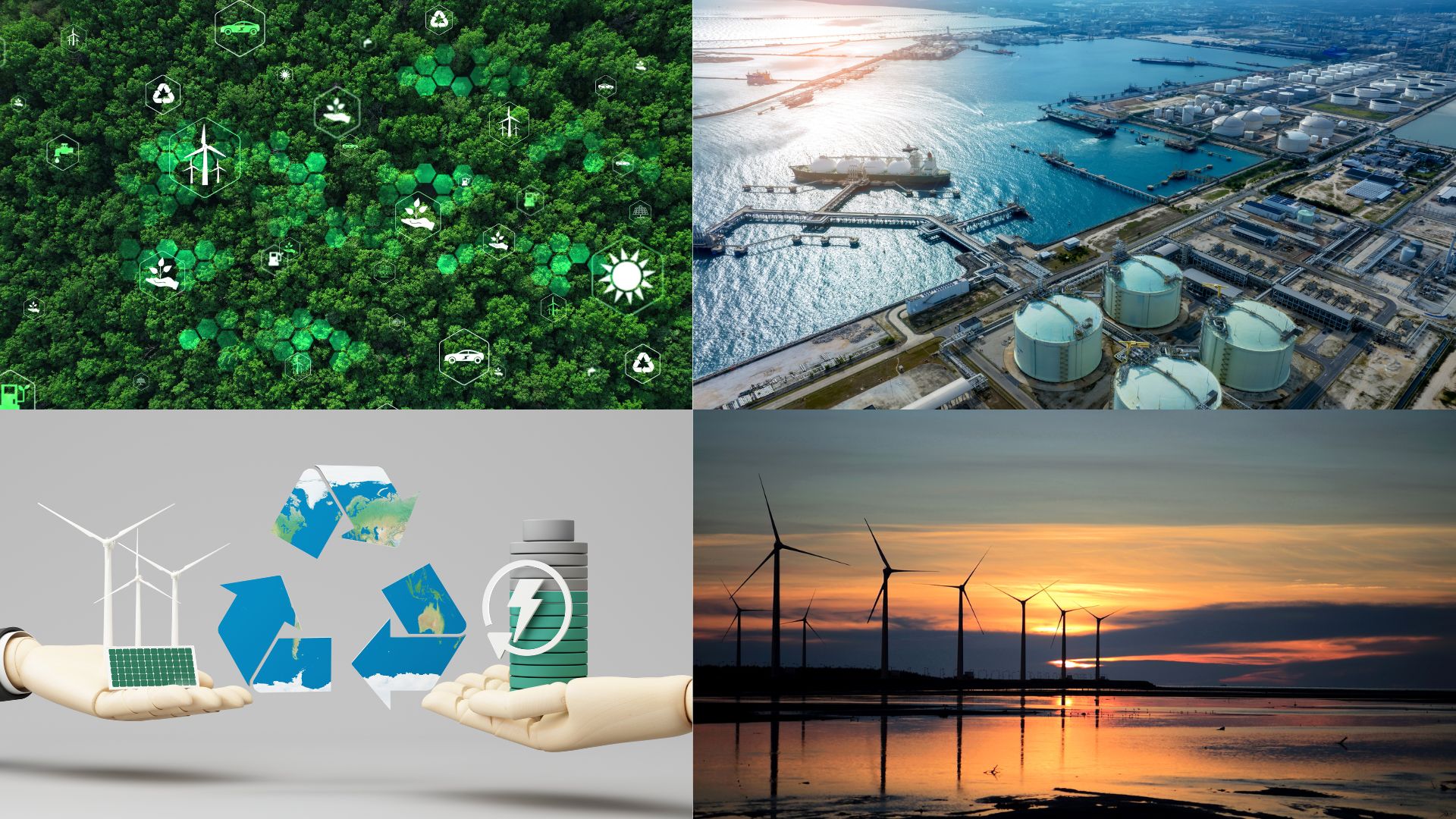
The Business Council for Sustainable Energy's 2025 Factbook reveals that in 2024, the U.S. economy expanded by 2.8%, with primary energy consumption growing by 0.5%, leading to a 2.3% increase in energy productivity. Over the past decade, energy productivity has risen by 29%, underscoring enhanced economic output per energy unit consumed. 🌍Corporate procurement of renewable energy reached a record 28 gigawatts (GW) in 2024, a 34% increase from 2022, with tech companies accounting for 84% of these deals. The industrial sector consumed 33% of U.S. energy in 2024, marking a 5% rise over the past decade. Factors such as onshoring manufacturing, electrification of end-use applications, and increased data center demand for artificial intelligence are influencing this growth. 🔥 Natural gas and renewables supplied 67% of U.S. electricity in 2024, up from 47% a decade ago. Natural gas remained the largest electricity generation source at 43%, while renewables' share grew to 24%. Zero-emission sources, including renewables and nuclear, provided 42% of all U.S. power. Coal-fired generation declined by 4.4% in 2024, continuing its decrease from 33% to 15% of the U.S. power mix over the past decade. ⚡ In 2024, 48.4 GW of new utility-scale power generation and storage capacity was commissioned—the highest total since 2003. Wind and solar accounted for 71% of this expansion (34.4 GW), while natural gas additions totaled 2.4 GW, and nuclear added 1.1 GW to the grid. Investments in sustainable energy are revitalizing American manufacturing. In 2024, $8 billion was invested across supply chain segments for hydrogen electrolyzers, wind, solar, and battery sectors. Additionally, 60 new cleantech manufacturing announcements were made, bringing the total to 264 since August 2022. Jobs in sustainable energy grew by 4.2% in 2023, more than twice the rate of the overall economy.