

NASA Picks Up X-59 Flight Test Tempo
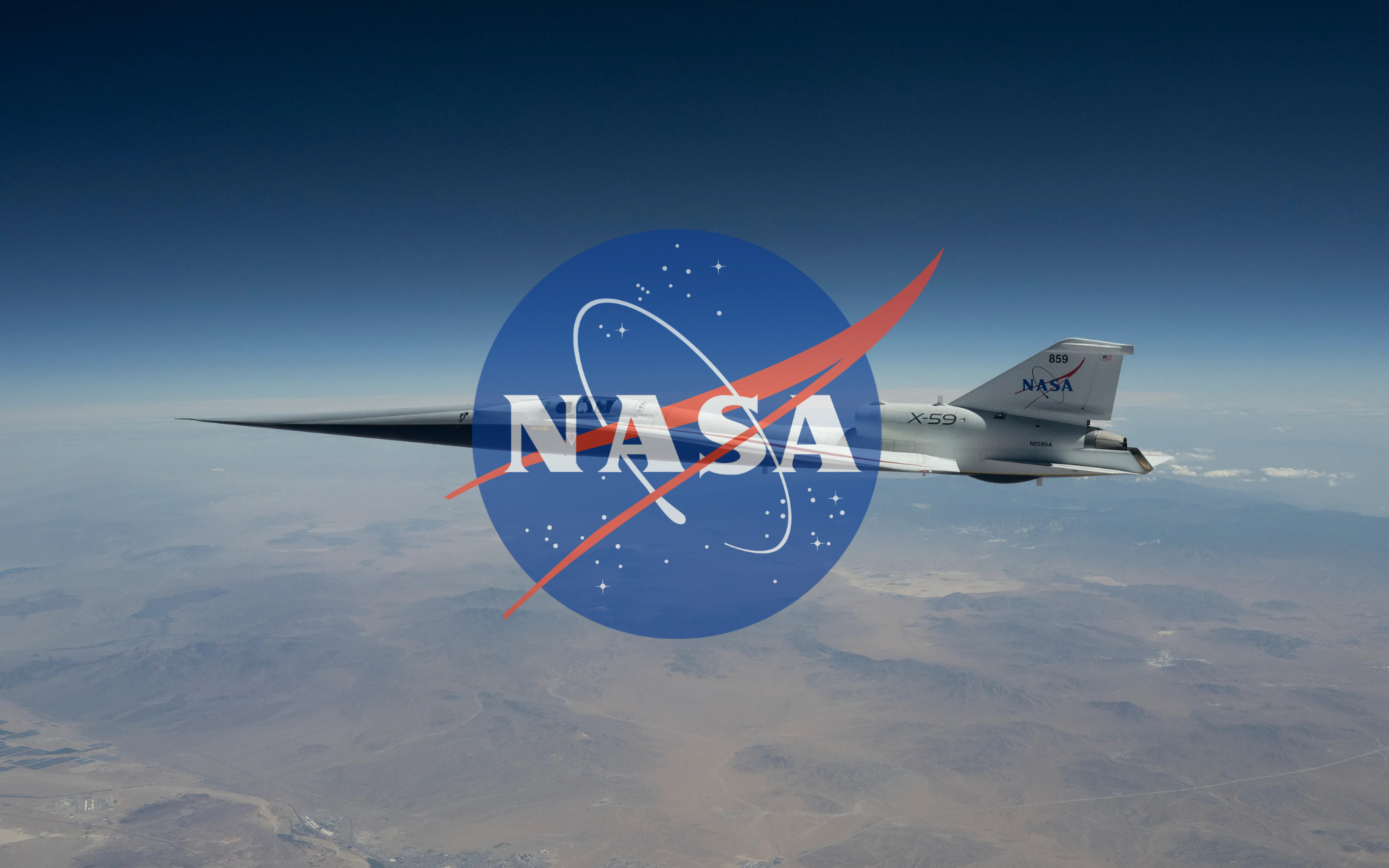
NASA is increasing the pace of flight testing for the experimental X-59 as it prepares for its first supersonic (Mach 1) flight. Built by Lockheed Martin Skunk Works, the aircraft is part of NASA’s Quesst program, which aims to reduce the loud sonic boom normally produced by supersonic aircraft. The X-59 has completed 16 flights and accumulated nearly 20 flight hours so far. Testing accelerated significantly in April, when eight flights were completed, including two flights in a single day on April 30. During these tests, the aircraft reached altitudes up to 43,000 ft. and speeds close to Mach 0.95. NASA says recent flights have shifted toward lower altitudes and slower speeds to evaluate aircraft handling, landing gear configurations, structural loads, and flutter behavior across a broader operating range. The latest flight on May 12 reached nearly 15,000 ft. and a top speed of 328 knots. According to project manager Cathy Bahm, the program first focused on higher-risk, high-speed testing before expanding into lower-speed flight conditions. Before the aircraft can attempt full acoustic validation tests, NASA must complete “envelope expansion” flights to confirm safe performance across all planned operating conditions. These future tests will determine whether the X-59’s unique airframe design successfully reduces the traditional sonic boom into a quieter sonic “thump.”