

U.S. Army Aviation Doubles Down On Autonomy Vision
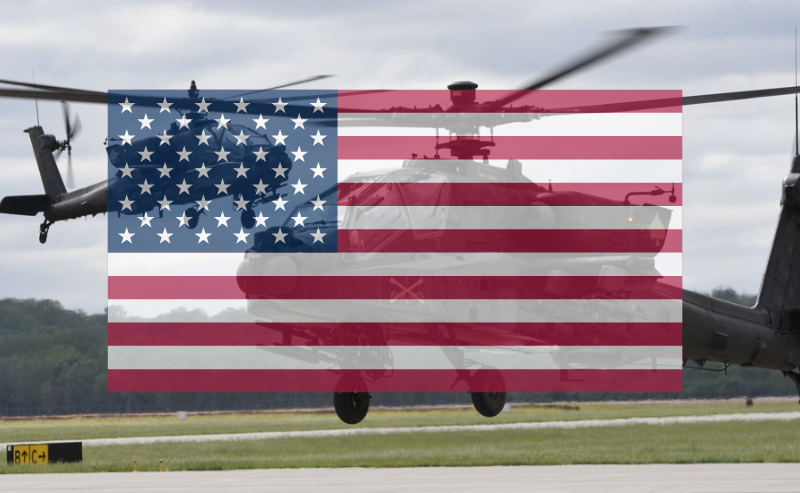
The United States Army is accelerating its shift toward autonomous aviation systems. After canceling the Future Attack Reconnaissance Aircraft (FARA) program in 2024, the Army is now relying on autonomy to fill operational gaps. Future plans include autonomous or optionally piloted helicopters, the tiltrotor Bell MV-75 under the Future Long-Range Assault Aircraft (FLRAA) program, large runway-independent drones, and thousands of small combat drones similar to those used in Ukraine. The Army wants to move away from expensive, slow traditional acquisition methods. Instead of designing perfect systems in laboratories, leaders aim to test technologies directly in the field and improve them through continuous updates. The focus is shifting from building costly robotic platforms to improving autonomy software, networking, and one-to-many control systems (one operator controlling multiple drones). Programs such as the replacement for the MQ-1C Gray Eagle and new short/vertical takeoff drones are under discussion. The strategy reflects lessons learned from modern battlefields and emphasizes speed, adaptability, and scalable drone production. How it will affect USA Manufacturers: 1) Defense tech demand for AI and autonomy increases. 2) Drone and sensor manufacturers gain new contracts. 3) Software and networking firms become strategic suppliers. 4) Faster development cycles require flexible production. 5) Competition rises for cost-effective military systems.