

U.S. Company SLB plans to develop next-gen geothermal systems
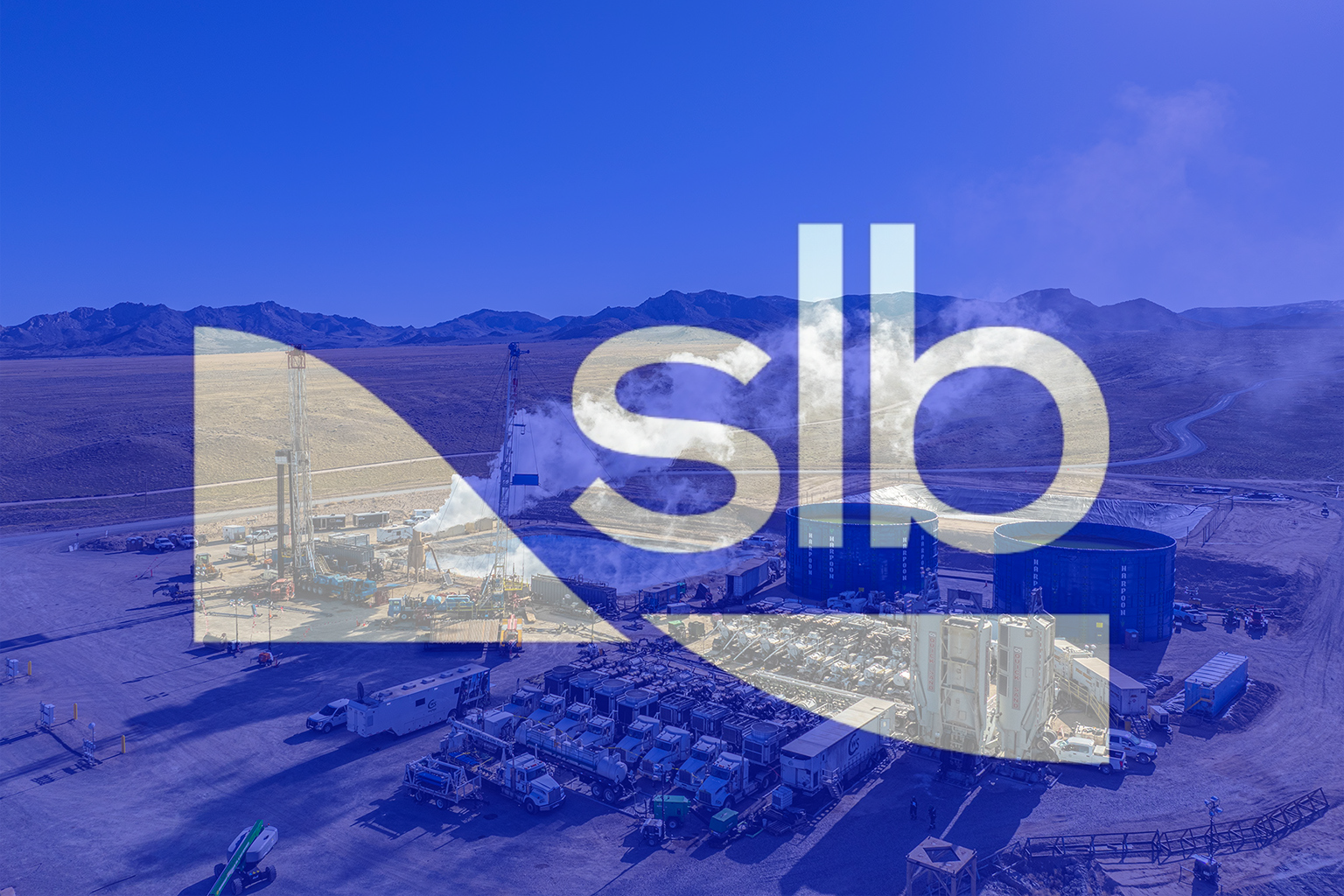
Houston-based SLB and Nevada-based Ormat Technologies have formed a partnership to accelerate the development and commercialization of advanced geothermal technology, specifically enhanced geothermal systems (EGS). Unlike traditional geothermal, EGS can create engineered thermal reservoirs in hot, dry rock, allowing geothermal energy production in regions without natural steam or hot water. The companies will co-develop the technology, test it at an existing Ormat facility, and then pursue large-scale deployment for utilities, data centers, and other customers. Citing increasing energy demand driven by AI, SLB says faster adoption of clean, reliable energy is critical. The U.S. Department of Energy estimates next-generation geothermal like EGS could supply up to 90 GW of U.S. electricity by 2050. Affect to U.S Manufacturers 1. More Reliable and Affordable Clean Energy If EGS becomes commercially scalable, it could provide manufacturers with: • Stable, 24/7 baseload power (unlike solar/wind, geothermal isn’t intermittent) • Reduced long-term electricity costs, since geothermal has low operating costs after installation This is especially valuable for energy-intensive industries such as metals, chemicals, cement, and semiconductors. 2. Improved Grid Stability for Industrial Regions EGS can be developed in areas without natural geothermal reservoirs, including parts of the Midwest and East—regions with significant manufacturing. This could: • Reduce grid congestion • Lower outage risks • Support electrification of processes 3. Competitive Advantage in Low-Carbon Production Manufacturers face increasing pressure from: • Federal emissions regulations • Corporate ESG requirements • Export-market carbon rules (e.g., EU CBAM) Cheap, firm clean energy like EGS can help U.S. manufacturers: • Lower Scope 2 emissions • Certify low-carbon products • Compete globally against producers with cleaner grids 4. New Supply Chain and Job Opportunities EGS deployment requires: • Advanced drilling technology • High-temperature materials • Pumps, sensors, power equipment • Heat exchangers and turbine parts This could boost U.S. manufacturing in: • Oil-and-gas equipment production • Renewables hardware • Advanced materials and engineering services 5. Support for Growing Industrial Loads (AI, data centers, reshoring) As AI and reshoring drive electricity demand, manufacturers face the risk of: • Higher power prices • Grid shortages EGS provides a pathway to meet rising energy needs without compromising industrial expansion.