

Texas Instruments Opens $60B Chip Plant in Texas as Apple Accelerates U.S. Supply Chain Shift
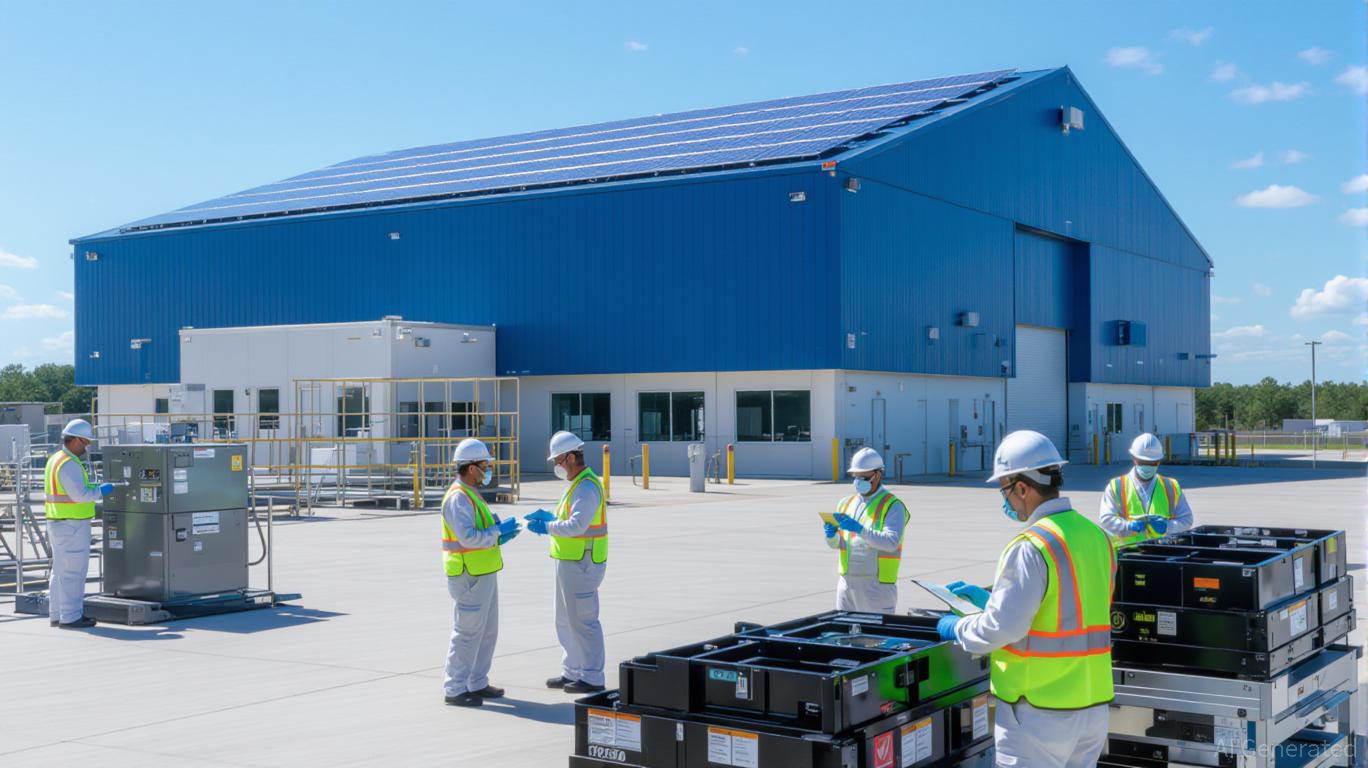
Texas Instruments (TI) has officially inaugurated its $60 billion semiconductor manufacturing hub in Sherman, Texas, marking one of the most significant domestic investments in U.S. chip production to date. The facility will begin by supplying analog and embedded chips to Apple, one of its first and largest customers. The Sherman site is set to produce high-volume components critical to the function of consumer electronics, including iPhones, where they manage power flow, sensor inputs, and signal processing. While each chip costs less than 40 cents, they remain indispensable for device functionality. The move comes as tech companies scramble to localize production and navigate mounting geopolitical and trade pressures. In August 2025, the Biden administration enacted a 100% tariff on certain categories of imported chips—doubling down on an earlier tariff plan initiated under President Trump. Apple’s sourcing from the Texas plant allows it to circumvent those penalties and further deepen its domestic supply chain. The plant also signals Apple’s growing financial commitment to U.S. manufacturing. The company recently raised its domestic investment pledge to $600 billion over four years, with funds earmarked for Texas Instruments facilities in Sherman, Richardson, and Lehi, Utah. Texas Instruments has emphasized the plant’s sustainability features, including the use of renewable energy, 50% water recycling, and deployment of 300mm wafer technology—which enables greater production yields and improved energy efficiency. Once fully built out, the Sherman facility is expected to support as many as 60,000 jobs across the U.S., both directly and through the broader supply chain. TI has committed to partnerships with universities, community colleges, and the U.S. military to cultivate a highly skilled semiconductor workforce. Industry analysts view the Sherman plant as a cornerstone in America’s bid to rebuild domestic chip manufacturing and reduce reliance on Asia-based suppliers. For Apple, the plant not only protects profit margins from trade headwinds but reinforces its strategic shift toward resilient, U.S.-based production.