

🔬 Cleanroom Construction Trends to Watch in 2025 and Beyond
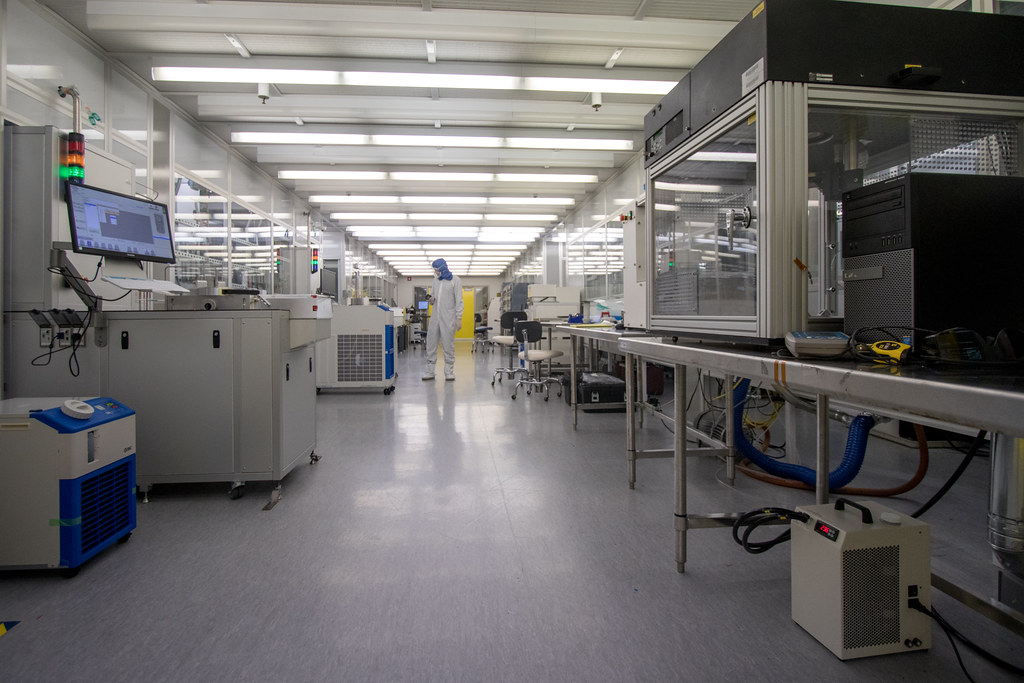
The global cleanroom technology market, valued at $6.9 billion in 2024, is projected to grow at a CAGR of 6.3% over the next five years, driven by rising demand in biotechnology, pharmaceuticals, semiconductor manufacturing, and advanced electronics. With industries requiring stricter contamination control, sustainable designs, and greater flexibility, cleanroom construction is undergoing a major transformation in 2025 and beyond. Performance Contracting, Inc. highlights the most critical trends shaping the future of cleanroom construction, emphasizing modular solutions, energy efficiency, AI-driven automation, and hybrid models that streamline operations. 𝗞𝗲𝘆 𝗧𝗿𝗲𝗻𝗱𝘀 𝗦𝗵𝗮𝗽𝗶𝗻𝗴 𝗖𝗹𝗲𝗮𝗻𝗿𝗼𝗼𝗺 𝗖𝗼𝗻𝘀𝘁𝗿𝘂𝗰𝘁𝗶𝗼𝗻 ✅ Modular & Prefabricated Cleanrooms – Faster deployment, scalability, and cost efficiency drive the adoption of modular systems. Prefabrication ensures better quality control and reduces contamination risks. ✅ Sustainability & Energy Efficiency – Cleanrooms are integrating energy recovery systems, LED lighting, and optimized HVAC solutions to cut energy consumption while maintaining strict cleanliness standards. ✅ Advanced Materials & Self-Supporting Systems – High-performance materials like ESD flooring and powder-coated steel enhance durability. Self-supporting cleanrooms allow flexible installations independent of existing buildings. ✅ Enhanced Contamination Control – AI-driven monitoring, UV-C disinfection, and robotic material handling minimize contamination risks in highly sensitive environments. ✅ Flexible & Scalable Designs – Facilities with movable walls, modular HVAC systems, and adaptable layouts help companies adjust quickly to production demands. ✅ Hybrid Cleanroom Models – Combining different cleanroom classifications under one roof optimizes efficiency and cost-effectiveness, particularly for semiconductor and pharmaceutical manufacturing. ✅ AI & Robotics Integration – IoT-powered cleanroom monitoring, AI-driven efficiency analysis, and autonomous robotic handling enhance productivity and reduce human interference. ✅ Improved Visibility & Utility Access – Floor-to-ceiling glass walls and ceiling-mounted utilities enhance workflow monitoring, operational efficiency, and maintenance ease. With a focus on sustainability, automation, and adaptability, the cleanroom industry is evolving rapidly to meet the demands of next-gen manufacturing. Businesses must embrace these innovations to stay competitive in a high-tech, fast-changing market.