

🏗️ The Steel Industry in Germany: Challenges, Innovations, and Future Prospects
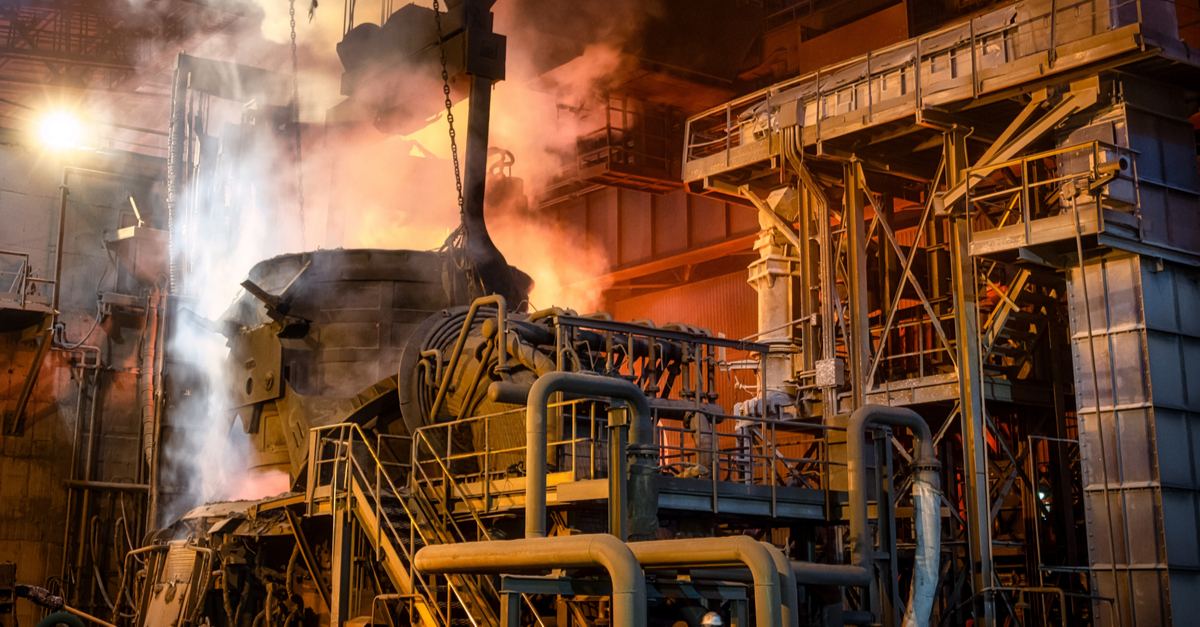
𝗠𝗮𝗿𝗸𝗲𝘁 𝗢𝘃𝗲𝗿𝘃𝗶𝗲𝘄 Germany’s steel sector operates across more than 35 production sites, with major players including Thyssenkrupp AG, Salzgitter AG, ArcelorMittal Germany, Dillinger Hütte, and Saarstahl AG. - Production: In 2024, Germany produced 36.2 million tons of crude steel, down from 40 million tons in 2019, reflecting market fluctuations. - Energy Prices: Germany’s electricity prices for industrial consumers reached €0.18 per kWh in 2025, significantly higher than China (€0.08 per kWh) and the U.S. (€0.07 per kWh). - Export & Import: Germany exported 22 million tons of steel products in 2024, while importing 26 million tons, mostly from China, Turkey, and India. 𝗞𝗲𝘆 𝗖𝗵𝗮𝗹𝗹𝗲𝗻𝗴𝗲𝘀 A. Energy Costs & Competitiveness Germany’s steel industry is energy-intensive, and the rising costs of electricity and gas place it at a disadvantage. In 2024, Thyssenkrupp reported an 18% rise in production costs due to energy inflation. To mitigate this, the government introduced €3 billion in subsidies and a temporary electricity price cap to stabilize costs for industrial consumers. B. Green Steel Transition Germany is committed to carbon neutrality by 2045, requiring a shift from coal-based blast furnaces to hydrogen-based direct reduction plants. - Thyssenkrupp Steel Europe is investing €3 billion in a new hydrogen-powered plant in Duisburg, expected to cut 2.5 million tons of CO₂ emissions annually. - Salzgitter’s SALCOS initiative aims to replace 30% of its traditional steel production with hydrogen-based methods by 2030. - ArcelorMittal Hamburg has already implemented a pilot hydrogen DRI (direct reduced iron) plant, paving the way for full-scale adoption. However, the success of these projects depends on the availability and affordability of green hydrogen, which remains costly at €5-6 per kg in 2025. 𝗜𝗻𝗻𝗼𝘃𝗮𝘁𝗶𝗼𝗻𝘀 𝗦𝗵𝗮𝗽𝗶𝗻𝗴 𝘁𝗵𝗲 𝗙𝘂𝘁𝘂𝗿𝗲 Despite challenges, the industry is embracing technology and sustainability to stay competitive. - AI & Smart Manufacturing: Companies like Voestalpine AG and SMS Group are investing in AI-driven predictive maintenance and automation to increase efficiency by 15%. - Steel Recycling & Circular Economy: Germany already recycles 45% of its steel, with aims to reach 60% by 2030. - Hydrogen Development: The German government’s €9 billion Hydrogen Strategy supports steelmakers in adopting hydrogen-based production. 𝗙𝘂𝘁𝘂𝗿𝗲 𝗢𝘂𝘁𝗹𝗼𝗼𝗸 Germany’s steel sector balances cost efficiency and sustainability through government support, digitalization, and decarbonization. By 2035, 50% of its steel will be hydrogen-based, reinforcing its leadership in sustainable manufacturing. Photo: GMK Center