
🇩🇪 Germany’s Steel Industry Shifts to Green Production 🔩
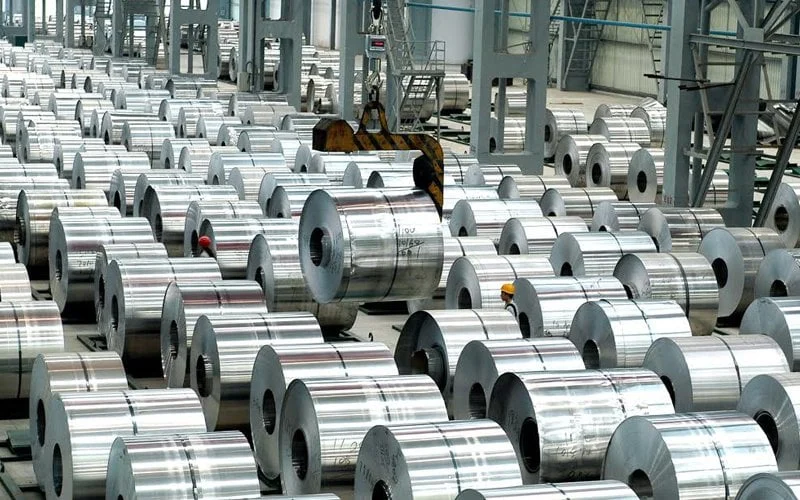
Germany’s steel sector is accelerating its transition to climate-neutral production, driven by demand from industries such as automotive, construction, shipbuilding, and machinery manufacturing. Leading steelmakers, including Thyssenkrupp Steel Europe, Salzgitter AG, ArcelorMittal Germany, and Dillinger, are investing in hydrogen-based steelmaking and low-emission technologies to secure their market position. 𝗞𝗲𝘆 𝗜𝗻𝗱𝘂𝘀𝘁𝗿𝘆 𝗖𝗵𝗮𝗹𝗹𝗲𝗻𝗴𝗲𝘀 & 𝗗𝗮𝘁𝗮 🔸 Energy Costs – High electricity prices and insufficient hydrogen infrastructure remain major barriers. 🔸 Growing Green Steel Demand – The automotive and construction sectors are increasing sustainability targets, boosting demand for low-emission steel. 𝗣𝗿𝗼𝗱𝘂𝗰𝘁𝗶𝗼𝗻 𝗦𝗵𝗶𝗳𝘁: 🏗️ Thyssenkrupp plans to launch a hydrogen-powered direct reduction plant in Duisburg by 2026, aiming to cut 3.5 million tons of CO₂ annually. 🚢 Salzgitter AG targets green steel production for industrial use by 2025, reducing emissions by over 95% in some processes. 🔋 ArcelorMittal Germany is upgrading plants to use green hydrogen for carbon-neutral steel production by 2030. 🔸 Market Growth – The global green steel market is projected to grow at over 10% CAGR through 2030, with Europe leading in early adoption. 📈 𝗙𝘂𝘁𝘂𝗿𝗲 𝗢𝘂𝘁𝗹𝗼𝗼𝗸 To stay competitive, German steelmakers must overcome high costs, expand hydrogen supply chains, and meet sustainability regulations. Industries that secure low-emission steel early will benefit from long-term contracts and stronger supply chain sustainability.