

The Future of 3D Printing in UK Aerospace 🚀
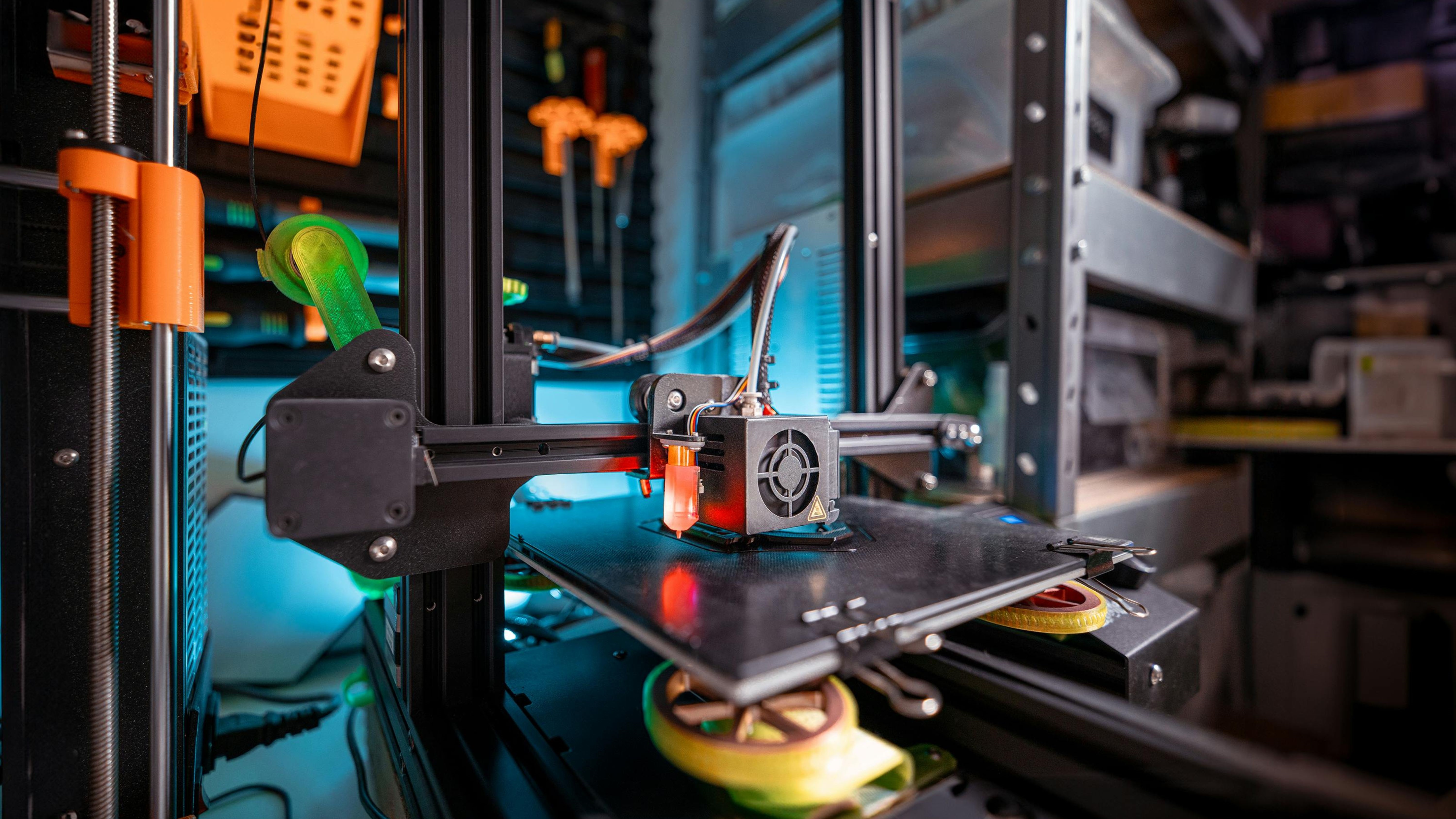
(ATI) - The Aerospace Technology Institute has published a new roadmap outlining the transformative potential of 3D printing in the UK aerospace sector. This strategic document highlights trends, benefits, and future scopes of additive manufacturing. So, what are the 🔍 Key Trends: Increasing adoption of 3D printing technologies to enhance production efficiency and reduce waste. Development of advanced materials tailored for aerospace applications, including lightweight and durable composites. Emphasis on eco-friendly manufacturing practices to minimize carbon footprints. 3D printing significantly reduces material waste compared to traditional subtractive manufacturing methods, where excess material is cut away. Which leads us to shorter time, as rapid prototyping and production capabilities enable quicker turnaround for parts, allowing manufacturers to respond faster to market demands and reduce inventory costs. Additive manufacturing also allows for the creation of intricate shapes and structures that would be impossible or extremely costly to produce with traditional machining techniques. Therefore, by optimizing designs through 3D printing, manufacturers can produce lighter components without sacrificing strength, leading to enhanced fuel efficiency in aircraft. 🔮 Future Scope Increased Research and Development: Greater investment in R&D to explore new applications and improve existing technologies. Collaboration Across Sectors: Encouragement of partnerships between academia, industry, and government to drive innovation. Global Competitiveness: Positioning the UK as a leader in aerospace additive manufacturing on the global stage. 📈 Conclusion The ATI roadmap sets a clear vision for the future of 3D printing in the UK aerospace industry, driving advancements that promise to reshape manufacturing processes and contribute to a sustainable future.