

🚛 Volvo, MAN, and Leading Truckmakers Bet on Hydrogen Engines for Rapid Emissions Reduction 🌍
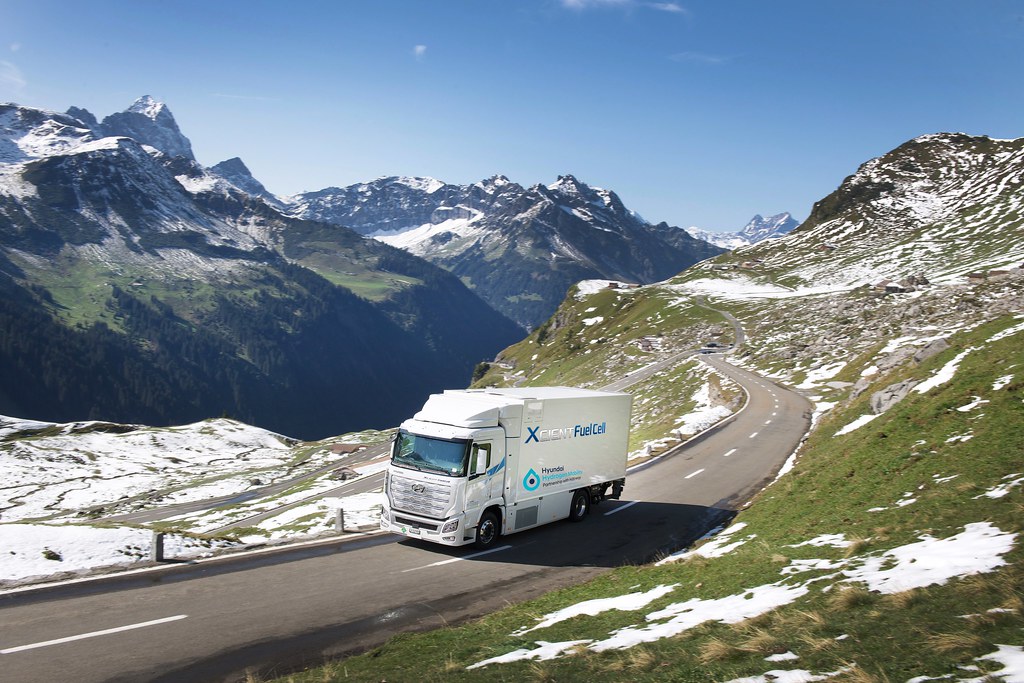
Leading truckmakers like Volvo and MAN are turning to hydrogen combustion engines to rapidly reduce emissions. This cost-effective solution allows manufacturers to use existing production lines, safeguarding jobs in engine-making plants. MAN plans to deliver 200 hydrogen-powered trucks to European customers next year, while Volvo aims for customer tests by 2026. Despite some challenges, including harmful emissions and the need for pressurized hydrogen tanks, this approach offers a familiar technology for fleet operators and a quicker path to lower emissions. As green hydrogen becomes more available, these hydrogen engines could bridge the gap until more sustainable infrastructure is in place. Economic Benefits: Job Preservation: Utilizing existing manufacturing lines helps preserve thousands of jobs in engine-making plants, easing the economic transition. Cost Savings: Hydrogen combustion engines offer a more affordable solution compared to the high costs of developing and deploying hydrogen fuel cell technology and electric batteries. Technological Advancements: Innovation in Engine Design: Continuous improvements in hydrogen combustion technology could lead to more efficient and cleaner engines, fostering innovation within the industry. Hybrid Solutions: Companies like Westport Fuel Systems are already adapting natural gas engines to hydrogen, potentially creating versatile engines capable of running on multiple fuels. Environmental Impact: Reduced Emissions: Hydrogen combustion engines provide a lower-emission alternative to diesel, contributing to global efforts to combat climate change. Interim Solutions: Until green hydrogen infrastructure is more widely available, these engines can run on natural gas or biogas, offering a transitional step towards fully sustainable trucking. Market Dynamics: Competitive Advantage: Early adopters of hydrogen combustion technology may gain a competitive edge by offering lower-emission trucks sooner than those focusing solely on fuel cells or electric vehicles. Consumer Acceptance: Familiarity with combustion engine technology might make it easier for fleet operators to adopt hydrogen-powered trucks, accelerating market penetration. Infrastructure Development: Green Hydrogen Production: Increased demand for hydrogen combustion engines could spur investments in green hydrogen production and distribution infrastructure, accelerating the overall transition to hydrogen. Regulatory Support: Governments might enhance funding and incentives for hydrogen projects, further supporting the industry's shift towards cleaner technologies.