

🔋 Global Auto Battery-Cell Production Capacity: 2024 Overview & Future Trends
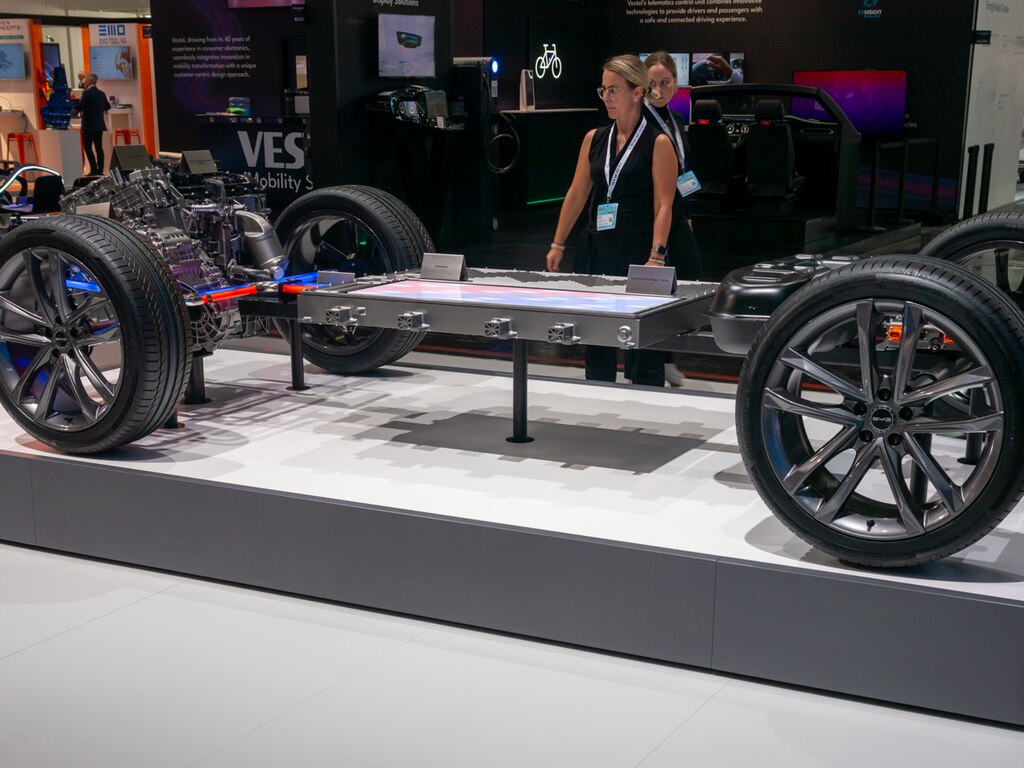
Global Battery Cell Production Capacity: • Total Capacity: As of 2024, global lithium-ion battery cell production capacity is estimated to be around 1,200 GWh (gigawatt-hours) annually. This figure represents a substantial increase from previous years due to rapid growth in electric vehicle (EV) adoption and infrastructure expansion. Major Battery Manufacturers: China - Contemporary Amperex Technology Co. Limited (CATL) o Capacity: Approximately 600 GWh by 2025. o New Developments: CATL is expanding its production capacity with new gigafactories in Europe and Asia. - BYD o Capacity: Around 200 GWh by 2025. o Focus: BYD is investing in both battery technology and EV production, with new plants in China and potential international expansions. South Korea - LG Energy Solution o Capacity: Expected to reach 450 GWh by 2025. o New Developments: LG Energy Solution is investing heavily in new gigafactories in the U.S. and Europe. - SK On o Capacity: Projected to be about 300 GWh by 2025. o Focus: SK On is expanding its footprint with new facilities in North America and partnerships with global automakers. Japan - Panasonic o Capacity: Approximately 200 GWh by 2025. o New Developments: Panasonic is working on expanding its production in Japan and the U.S., including a major gigafactory in partnership with Tesla. Key Regional Developments: United States - Tesla’s Gigafactory (Nevada) o Capacity: Estimated at around 100 GWh annually. o Focus: Tesla's gigafactory is one of the largest battery production sites in the U.S., focusing on scaling up production for its own EV models and energy storage systems. - Northvolt o Capacity: Expected to reach 60 GWh by 2025. o Focus: Northvolt’s facilities in the U.S. are part of a broader strategy to build a strong European and American battery supply chain. Europe - Northvolt o Capacity: Approximately 100 GWh by 2025. o Focus: Northvolt's gigafactories in Sweden and Germany aim to create a robust European supply chain for EV batteries. - Volkswagen o Capacity: Planned to reach around 40 GWh by 2025. o Focus: Volkswagen is investing in battery production facilities across Europe as part of its broader EV strategy. Emerging Trends - Solid-State Batteries: Companies like Toyota and QuantumScape are advancing solid-state battery technology, which could significantly impact future production capacities and performance characteristics. - Sustainability: There is a strong emphasis on increasing battery recycling capabilities and reducing the environmental impact of battery production, driven by both regulatory pressures and consumer demand. Future Projections: - Global Capacity Growth: By 2030, global lithium-ion battery cell production capacity is projected to surpass 2,500 GWh (gigawatt-hours) annually. This growth is driven by escalating demand for electric vehicles (EVs), advancements in battery technology, and large-scale investments in production facilities. Emerging Technologies: o Solid-State Batteries: Companies like QuantumScape, Toyota, and Samsung are advancing solid-state battery technology, which promises higher energy densities and improved safety. As these technologies mature, they could potentially reshape production capacities and industry dynamics. o High-Energy-Density Batteries: Innovations in chemistries, such as silicon anodes and lithium-sulfur batteries, are expected to improve energy density and reduce costs, influencing future production trends. Regional Developments: o United States: The U.S. is anticipated to see a significant increase in battery production capacity due to ongoing investments and supportive policies. By 2030, U.S. production capacity could exceed 500 GWh, driven by expansions from major players like Tesla, LG Energy Solution, and new entrants. o Europe: European battery production capacity is projected to grow substantially, potentially reaching 400 GWh by 2030. Key investments from Northvolt, Volkswagen, and other European manufacturers are critical to achieving these targets. o China: China will likely continue to lead in global battery production, with capacity possibly reaching 1,200 GWh by 2030. This is supported by ongoing expansions from CATL, BYD, and other major Chinese manufacturers. Gigafactories and Scale-Up: o Gigafactories: The trend of building large-scale gigafactories will persist, with new facilities expected in various regions. This includes planned expansions by existing manufacturers and new entrants establishing significant production capabilities. o Capacity Utilization: As new factories come online, capacity utilization rates will be closely watched to ensure that production aligns with growing demand and technological advancements. Sustainability and Recycling: o Battery Recycling: Efforts to enhance battery recycling infrastructure are expected to grow, aiming to address supply chain concerns and reduce environmental impacts. Innovations in recycling technologies will play a crucial role in supporting sustainable growth. o Environmental Standards: Increasing regulatory pressure and consumer demand for greener practices will drive the adoption of more sustainable production methods and materials. Market Dynamics: o Competitive Landscape: The battery production market will continue to evolve with new entrants and strategic partnerships shaping competition. Companies will need to innovate continuously to stay ahead in the rapidly changing landscape. o Raw Material Supply: The availability and cost of raw materials like lithium, cobalt, and nickel will remain critical factors influencing production capacities and industry strategies.